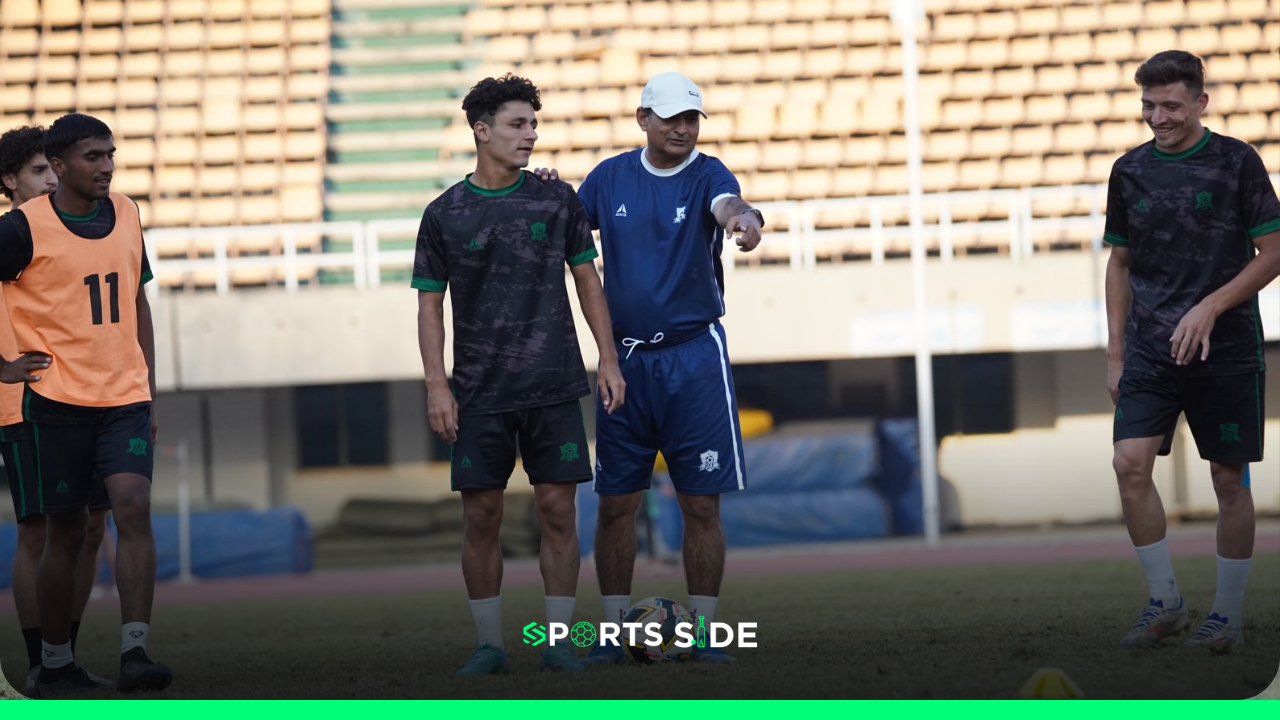
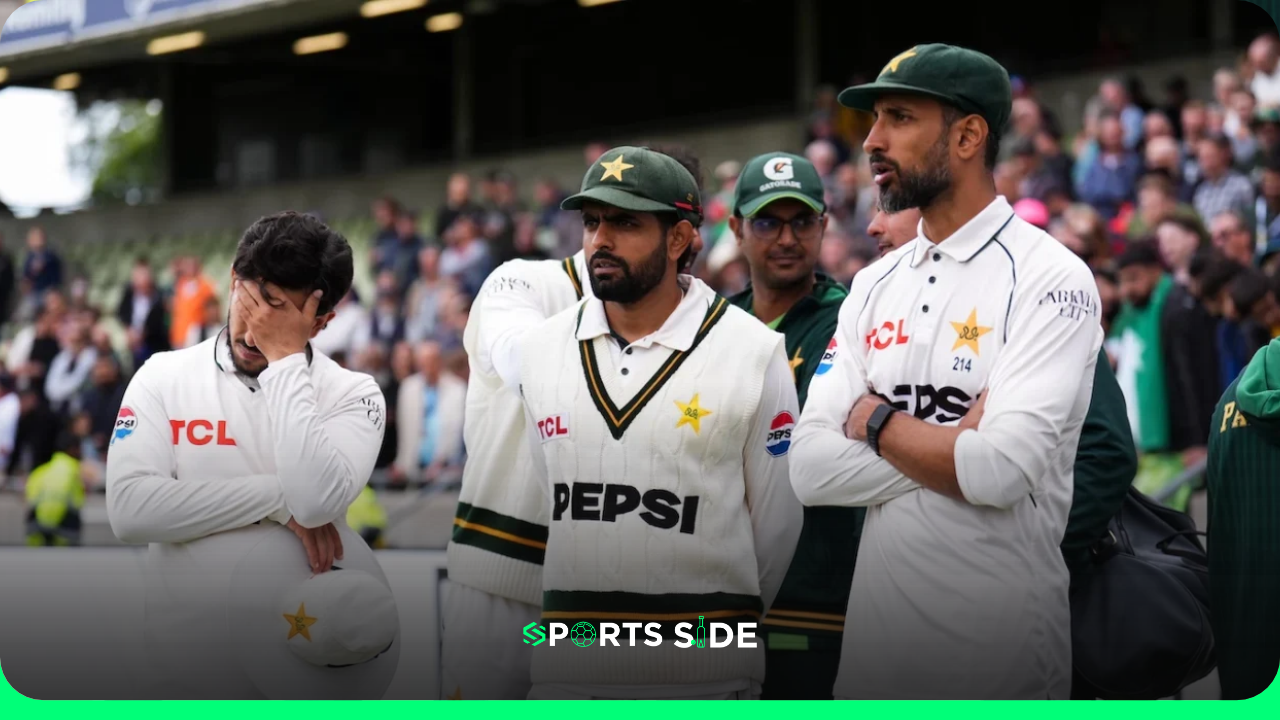
Pakistan Men’s Cricket Team is undergoing a transition, as it does every few months or years, depending upon the mood of the chairman or the “patron”. However, this transition has mostly been led by the Head Coach, captain, and the director of the National Cricket Academy to an extent as well.
This is not the only thing that is different in this transition. With supposedly long-term backing from the higher-ups, this, on the face of it, looks like a straightforward transition from outdated, anchor-heavy T20 batting to a modern, attacking T20 batting approach.
However, it is not just that. This is the changing of Pakistan’s Cricket DNA!
Pakistan’s T20 Cricket Model
Not just the T20 cricket model, but the entire Pakistan Cricket Team historically has been based on fast bowling. Pakistan’s main tactic has always been to either let pacers “cook” with reverse swing in the 2nd innings or, when reverse swing stopped happening, bowl them out below par in the first innings and chase easily.
Batters have always played the supporting role. Wasim Akram and Waqar Younis had Saeed Anwar and Inzamam-ul-Haq; similarly, Shaheen and Rauf had Babar and Rizwan to do that.
Why not continue with that Model?
However, the problem arose when fast bowling became difficult over time due to the rules and regulations put in place.

The bowling average has marginally dropped since the 1970s, by 16.5% to be exact; however, this can be justified by the increase in an attacking mindset in cricket that has become prevalent over time, as evidenced by the 254% increase in the economy rate during the same period.
We have seen numerous people, from ex-cricketers to pundits, criticizing the fact that there are not as many yorkers nowadays compared to the “good old days.” The reason for this can also be attributed to the increased difficulty of fast bowling in general.
The tactics of fast bowling have also changed a lot over the years, from relying on reverse swinging yorkers to slower ones or wide yorkers.
Even in the Asia Cup final, it all happened similarly, batters posted a below-par total, and bowlers took it close but lost at the end. Again showing that the old model is now outdated, the game is tilting towards batters, and Pakistan needs to build up on that.
ALSO READ :
What is different in this new regime?
So far in the 15-16 T20 matches in this regime, what the Hesson and Agha-led team has done shows there is an aim to change all this.
Since probably the early 2010s, the days of Ajmal, Afridi, and Hafeez, it is the first time Pakistan has been so reliant on spinners across formats and has been successful. Also, the way this has been catered is unique to Pakistan Cricket as well.
| Most overs by spinners for Pakistan in a calendar year in T20Is | ||||||
| Year | Players | Mat | Overs | Wkts | Ave | Econ |
| year 2025 | 10 | 26 | 232.1 | 80 | 20.31 | 6.99 |
| year 2021 | 16 | 29 | 214.2 | 67 | 23.23 | 7.26 |
| year 2012 | 12 | 16 | 190 | 50 | 24.44 | 6.43 |
| year 2022 | 9 | 26 | 189.1 | 57 | 24.61 | 7.41 |
| year 2010 | 17 | 18 | 168 | 52 | 22.71 | 7.02 |
Among Pakistan’s 2-3 spin options that regularly play now, only one of Abrar/Sufiyan can be described as a specialist spinner. Even these two are capable enough to hold a bat, even smack a few, and can be classified as pretty good number 11 batters.
Along with this, another potential change is a shift in batting mindset, with an anchor like Salman Ali Agha, who has a history of evolving his batting range and succeeding in different conditions, along with a variety of power hitters.
However, as it always happens in Pakistan Cricket, a multi-nation tournament came and at least this time, not the players were changed, but the tactics looked changed, along with some changes within the squad.
Conclusion
So the mission of this team and the management is not something small, and it will take time to happen. There will be some tournament losses, probably, before we start benefiting from this.
One thing to keep in mind is that this is not changing a system that was going well; it is a change that needed to be made, and quite possibly, is being made a little bit too late. However, it is now.
So instead of saying we don’t have any big names, or this team is not of international quality, wait for some time and back them because this is really the best you have in this format of the game.
Mike Hesson, especially, is someone who knows it and has done this previously in international and franchise cricket. Maybe in this upcoming T20 World Cup, or the next year’s ODI World Cup, or the 2028 T20 World Cup, this process of change will finally end, and we might see some success.
ALSO READ :