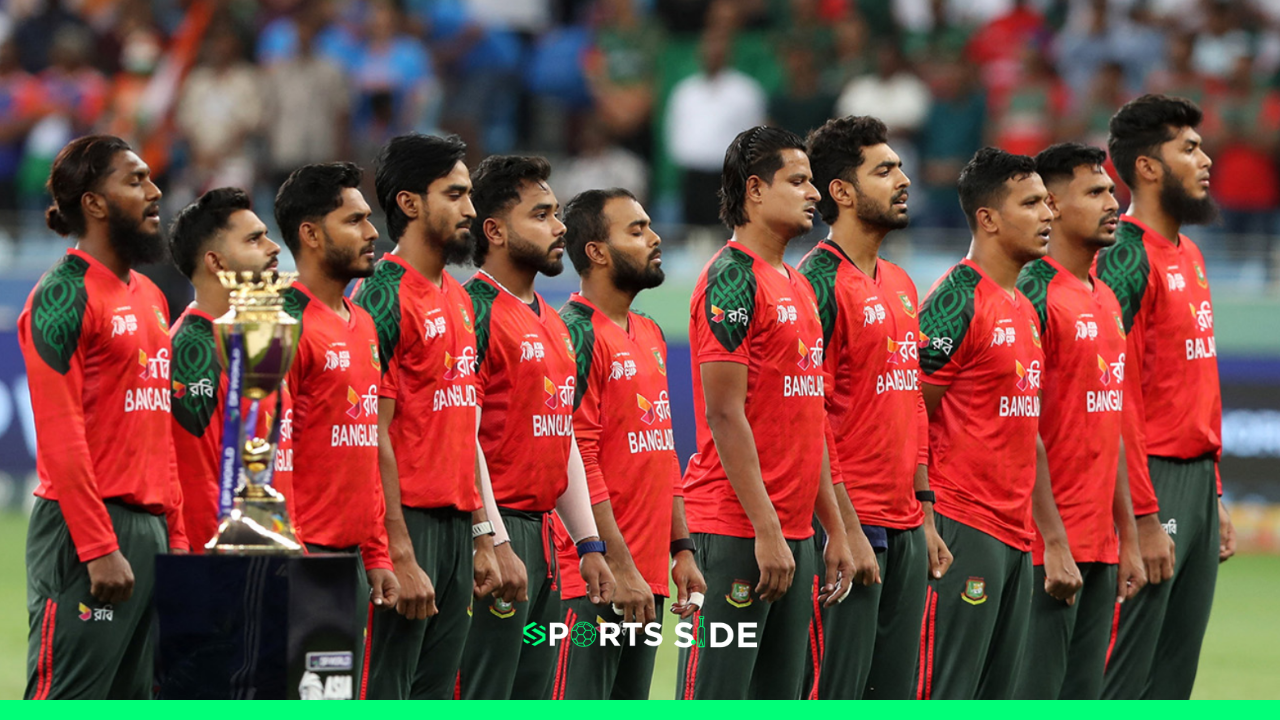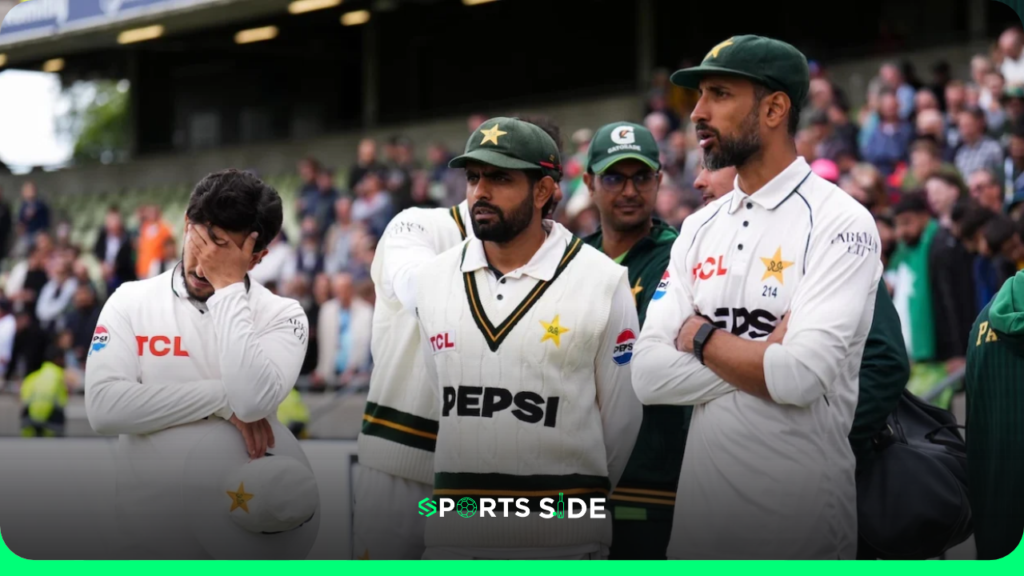
Who is the leader of Pakistan cricket right now? In various bygone eras, this question would have been easy to answer, for each era had its patriarch, sometimes with a co-ruler, sometimes with a rival who could act as deputy. Imran Khan and Javed Miandad. Wasim and Waqar. Inzi, followed by Misbah and Afridi, and then the Mickey-Sarfraz duo, culminating in Babar Azam’s stint.
Pakistan cricket’s favourite punching bag
An answer that fits the post-2023 World Cup era, however, remains elusive. The reasons for this are very easy to pin on the results on the field, and the scheming cricketers off it. Such a trigger-happy analysis, however, ignores the role of the top echelons of the Pakistan Cricket Board, who, to put it bluntly, have left no stone unturned in this period to try to make every success about themselves, and use every failure as an excuse to show off what they think of as “strength”, and in the process destroying any stability that would at least allow their captains some breathing room in their planning.
It’s a lesson for the strident critics of players in leadership roles, such as Babar Azam and Shaheen Afridi, that criticising complacency and perceived selfishness is easy, but undertaking the systematic analysis that examines why that complacency emerges in committed and passionate athletes is much less convenient for building Twitter narratives that can be digested as comfort food after each loss. Coping with disappointment by punching down (and we do tend to see our cricketers as intellectually inferior) is much easier than studying the root causes and their compounding effects that culminate in a doom loop of bleak results.
Positions of leadership within the team are useless without legitimate authority, and authority is just as much power as it is the perception of power. The captains may well be flawed or incompetent, but if we see their shortcomings as personal moral failures rather than as being shaped by the context in which they operate, our perceptions simply hollow out their power even further, handing it to the higher-ups, ending up with endorsing their dictatorial ways that we vow to oppose so much on social media.
Read more:
- New Report Blames Interim Administration for Bangladesh Missing World Cup
- The Underrated Master of Precision and Accuracy: The Untold Story of Mohammad Abbas
- Salma Bi: When Doors Kept Closing, I Built My Own Building
Basically, if we can excuse a Prime Minister’s shortcomings because he was restrained by higher powers, then we should apply that principle to our captains and leadership group too, who are restrained by decades of PCB’s systemic failures and its chairmen’s dictatorial ways.
A perfect example of despotic behaviour by the board is the lab-grown captaincy rifts we have seen in the past few years.
The 2023 Asia Cup is the tournament that supposedly brewed up the friction between Babar and Shaheen. With Halloween right around the corner, reminiscing about that cursed reserve day does feel eerie. However, as convenient as it is to forget, the roots of the dismantling of that team’s chemistry were planted well before, when Ramiz Raja was replaced by Najam Sethi, followed by Zaka Ashraf replacing Sethi. While the dressing-room drama was more titillating for sports reporters to highlight than the game of musical chairs in the PCB office, it was the players who ended up facing the music.
‘Twas always thus, and always thus will be
Wretchedly, this trick is as old as the handbook the PCB seems to operate by. Pan out to any crisis period for Pakistan cricket, and you will almost always find the same: the PCB craftsmen’s ever-consistent ritual of either shoving the players under the bus or being in the process of running them over with the foot on the accelerator.
A frequent complaint among fans is that awards and rankings are trumpeted as vindication, stripped of context, and denuded of relevance by the reality of modern cricket scheduling, which has the best players from the best teams skipping hefty amounts of white-ball bilaterals. The pithy observation that one can only play the opposition that took the field is scarcely of solace once the opponents are at full strength and eager to prove it.
The question we should then ask ourselves is, how would we behave if our employer were to be constantly hovering over us with a loaded rifle, ready to empty it on a whim to demonstrate their “strength”? The answer is exactly the one Pakistani cricketers settled on: play it safe, pad up your record and try to save your livelihood, even if it requires a sacrifice of your dignity, and let the lunacy of your boss speak for itself.
On the king lies an empty crown, yet the emperor struts around with no clothes.
Interesting to read: