A hard look at the results, the boardroom, the facilities, and a fan base running out of patience
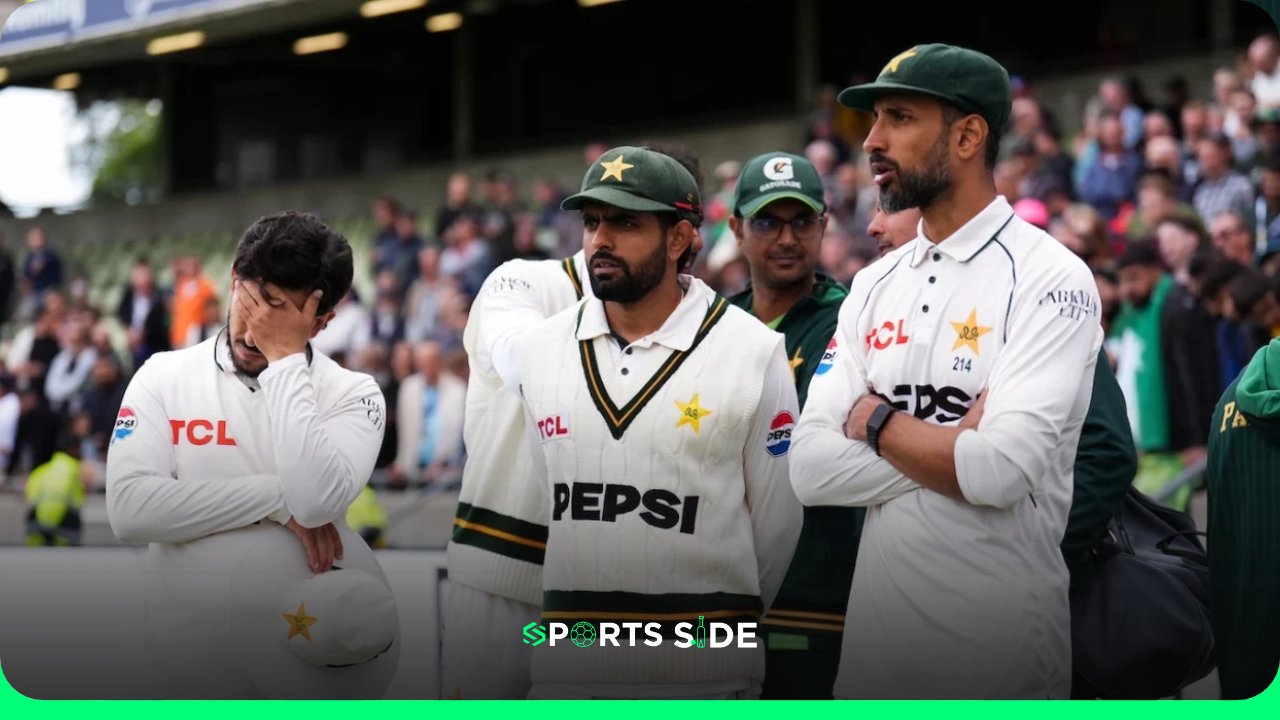
Pakistan cricket has always run on contradiction. It is a country that produces genuine match-winners seemingly out of nowhere, yet cannot string together a settled top order for more than a few series at a time. It draws some of the loudest, most emotionally invested crowds in world cricket, yet its own domestic stadiums sat empty this year for reasons that changed depending on which official was asked. It has world-class fast bowling talent flowing through its system every generation, yet its board is currently run by a sitting government minister who has spent as much time managing a diplomatic incident over a trophy as he has managing team performance. To ask where Pakistan cricket is headed in 2026 is really to ask which version of Pakistan cricket shows up on a given day, because right now, both the promise and the dysfunction are on full display at the same time.
A Results Sheet That Tells Two Different Stories
Start with the scoreboard, because it is the fairest place to start. In white-ball cricket, Pakistan have had genuine moments of quality over the past year. They swept Australia 3-0 in a T20I series at home in early 2026, beat South Africa in both the ODI and T20I legs of a bilateral series at home, and reached the Super Eight stage of the 2026 T20 World Cup in Sri Lanka, with opener Sahibzada Farhan finishing the tournament as its leading run-scorer on 383, the most by any batter in a single edition of the event. None of that is nothing. But look closer at how each of those campaigns actually ended and a familiar pattern appears. Pakistan lost their opening World Cup group match to India by 61 runs, a defeat that damaged their net run rate so badly it followed them into the Super Eights. They then lost to England by two wickets in a game they were winning, and were eliminated on net run rate despite beating Sri Lanka in their final match. Captain Salman Agha’s own assessment afterwards was blunt: the middle order has been a problem for years, and it cost them again.
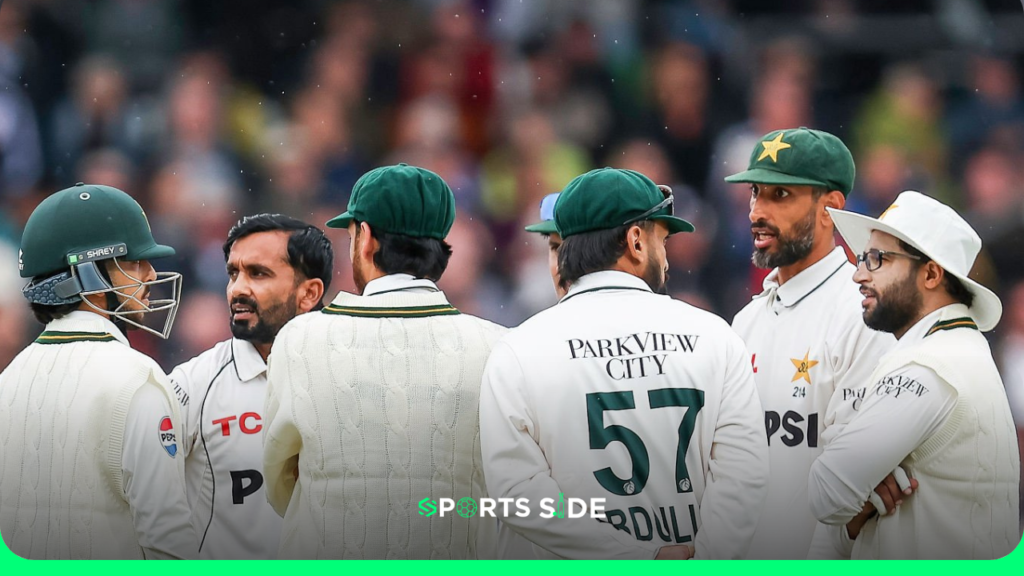
Test cricket has been considerably bleaker. Pakistan were whitewashed 2-0 by Bangladesh in March 2026, a genuinely alarming result against a side they have historically dominated. Their home series against South Africa finished level at 1-1. Their away tour of the West Indies in July and August 2026 followed the exact same script Pakistan has produced against that opponent for three series running, a first Test defeat by 90 runs followed by an eight-wicket win in the second to level things at 1-1, meaning Pakistan have now failed to win a Test series against West Indies in three consecutive attempts. The pattern inside those matches is arguably more concerning than the results themselves. In Trinidad, Pakistan collapsed from a position just 67 runs behind West Indies’ first innings total with seven wickets standing, to losing their next sixteen wickets for only 109 runs. That kind of lower-order and third-innings fragility has become close to a signature of this Test team, not an occasional lapse.
The honest read is that Pakistan remain competitive against almost anyone over a short, high-intensity format, and remain vulnerable against almost anyone over five days. That gap between formats is not new, but it has become more pronounced exactly as the rest of the cricketing world has worked out how to build squads deep enough to compete in both.
A Boardroom in Permanent Crisis Mode
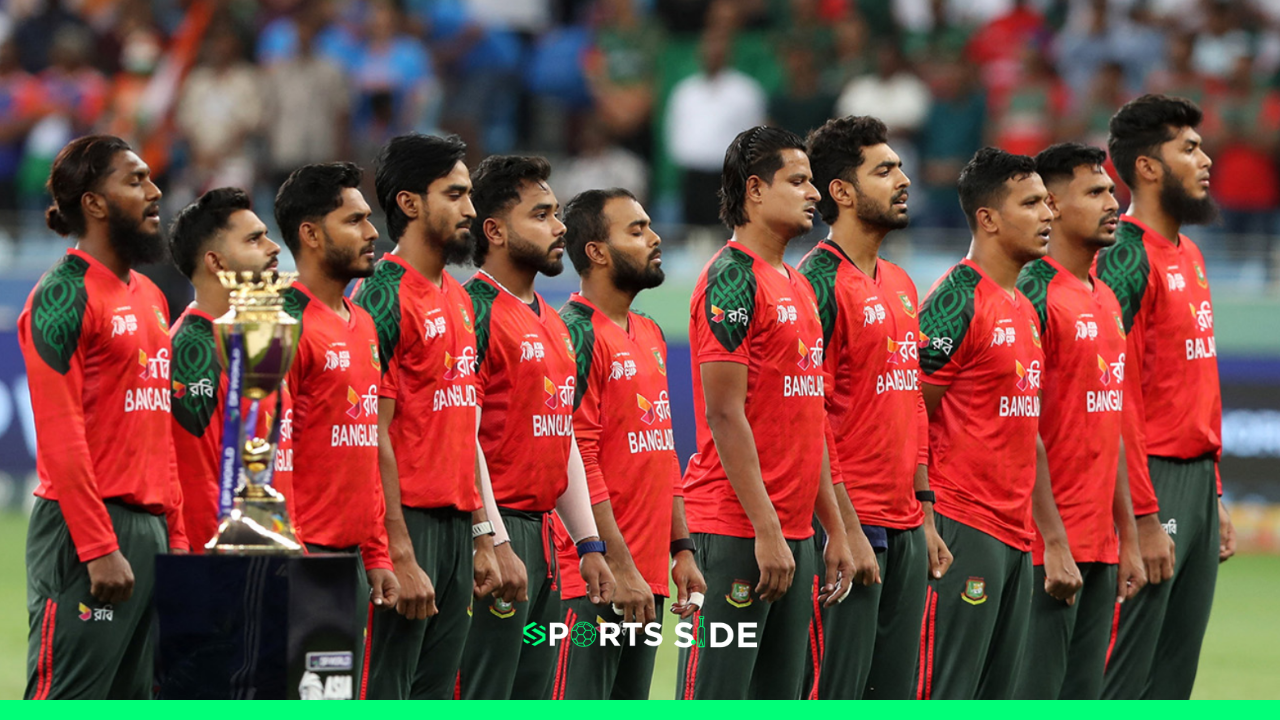
If the results have been inconsistent, the administration around the team has been a story of its own, and arguably the bigger obstacle to fixing anything. Mohsin Naqvi, who chairs the Pakistan Cricket Board while simultaneously serving as Pakistan’s Interior Minister and the president of the Asian Cricket Council, has found himself at the centre of one controversy after another over the past year. The most damaging was the presentation ceremony after the 2025 Asia Cup final in Dubai, where India’s players, having beaten Pakistan to the title, refused to accept the trophy directly from Naqvi over his political role, leaving the ceremony delayed for more than an hour and the trophy itself locked away at ACC headquarters for weeks afterwards while the BCCI lodged a formal protest. Whatever the politics behind that standoff, the optics for Pakistan cricket were damaging, a marquee continental final overshadowed entirely by a dispute about who was allowed to hand over a piece of silverware.
That episode has not stayed isolated. When Pakistan’s Super League matches this year were played in front of empty stadiums, PCB initially cited a fuel crisis restricting public movement, only for an Islamabad United team owner to separately claim, in comments Naqvi did not fully walk back, that Pakistan had prioritised hosting sensitive ceasefire discussions over allowing crowds into cricket grounds. The explanations did not agree with each other, and the public noticed. That frustration eventually reached Pakistan’s own cabinet table, with Defence Minister Khawaja Asif publicly challenging Naqvi to bring what he called a revolution to the PCB’s administrative framework, describing widespread dissatisfaction with the board’s performance. Former players have not held back either, with Shoaib Akhtar openly describing Naqvi’s leadership as damaging and Mohammad Yousuf calling for cricket administration to be separated from political office altogether. None of this is a fringe complaint. It is now a mainstream, cross-party critique of how the sport is being run at the top.
Facilities and Domestic Cricket: The Foundation Still Being Repaired
Underneath the international team, the domestic structure that is supposed to feed it has had its own turbulent year, part genuine reform and part warning sign. On the positive side, the PCB has finally moved to overhaul the country’s central contracts system for the 2026-27 season, replacing the old blanket A, B, C and D grading with format-specific tracks that pay players according to the role they actually perform for Pakistan, and explicitly rewards Test commitment. Eligibility is no longer just about appearances either, players must now pass medical and fitness evaluations, meet minimum domestic cricket participation requirements, and clear a performance threshold to qualify. Alongside that, the board has introduced a two-tier fitness testing programme across regional, departmental and age-group cricket, developed with the PCB’s Medical and Sports Science Department, specifically because officials had noticed a growing number of contracted players withdrawing from domestic matches on medical certificates and then turning up fit and available for far more lucrative franchise tournaments only weeks later.
That last detail is worth sitting with, because it captures a structural problem more clearly than almost anything else in Pakistan cricket right now. Domestic red-ball cricket, the format that is supposed to be producing the next generation of Test players, has been treated by some contracted cricketers as optional, a commitment to be managed around, rather than the foundation of a career. Even Mohammad Rizwan was reportedly close to missing Pakistan’s tour of the West Indies this year while completing a fitness rehabilitation programme, a reminder that fitness and conditioning standards inside the system have not always matched the demands of the modern international game. Financial strain has compounded the problem on the ground level too, with reports this year of Pakistan’s own domestic teams disbanding over disputes about fee increases, and former team director Mohammad Hafeez along with a group of domestic cricketers left waiting on unpaid dues owed to them by the board for past tournaments. None of that builds trust in a system players are being asked to prioritise.
Continue reading: Why the Future of Pakistan Football is in Safe Hands?
Player Commitment Under the Microscope
The commitment question runs both ways, and it would be unfair to place all of it on the players. When domestic cricket pays a fraction of what franchise leagues offer, when dues go unpaid for months, and when a place in the Test side has historically depended as much on selection politics as on runs and wickets, the incentive structure itself has been part of the problem. Even so, the PCB’s own diagnosis, delivered through chairman Naqvi’s public comments about mandating domestic participation for central contract eligibility, amounts to an admission that too many centrally contracted players had drifted away from the format that actually builds a Test team. The new fitness regime and the format-based contract tracks are PCB’s attempt to close that gap by financial incentive rather than appeal to patriotism alone, tying the biggest paydays explicitly to Test cricket rather than treating it as the least rewarding format to play. Whether that changes behaviour will only be visible over the next two or three domestic seasons, not the next two or three months.
A Fan Base That Has Not Given Up, Just Run Out of Patience
None of this is happening in a vacuum of indifference. Pakistan remains one of the most cricket-obsessed nations on earth, and the scale of the public reaction to this year’s setbacks, from the Asia Cup trophy episode to the T20 World Cup exit to the empty PSL stands, reflects a fan base that still cares intensely rather than one that has switched off. The frustration expressed by a sitting federal minister, by legends like Shoaib Akhtar and Mohammad Yousuf, and across Pakistani sports media, is really an expression of that same public anger channelled through people with a platform. Fans have watched a team with genuine individual talent, a middle order that has been correctly identified as a multi-year weakness by its own captain, a board that cannot maintain a consistent explanation for empty stadiums, and a domestic system that has struggled to pay its own participants on time. The expectation from supporters is not unreasonable, they want a team and a board that treat the sport as a serious, professional operation rather than a series of improvisations between crises.
Also read: Pakistan’s Women Cricket Beyond the Celebrations
Where Does It Actually Go From Here
Pakistan’s next real test, in every sense, arrives almost immediately, with a three-match Test tour of England beginning on August 19, barely a fortnight after the West Indies series ended in another draw. It is a fixture that will say a great deal about whether the lessons of Trinidad and Dhaka have genuinely been absorbed, or whether the same batting collapses simply relocate to a different continent. The structural changes already in motion, the format-based contracts, the tightened fitness standards, the requirement to play domestic cricket to stay centrally contracted, are the right kind of changes on paper, addressing real and specific weaknesses rather than cosmetic ones. But Pakistan cricket has a long history of announcing the right policy and then failing to apply it consistently once the next crisis arrives, and 2026 has already shown how quickly this board can be pulled from cricketing matters into political and administrative firefighting.
The honest answer to where Pakistan cricket is headed, then, is that it is standing at a genuine fork rather than a settled decline. The talent has never really been the issue, and results like the Test win in Trinidad or Farhan’s record-breaking World Cup show that clearly enough. What remains unresolved is whether the people running the sport, from the boardroom down to domestic team ownership, can give that talent the stability, professionalism and consistent structure it has so often been missing. Until that changes, Pakistan will keep producing the same story on repeat, flashes of real quality undone by the same recurring failures, watched by a fan base that keeps showing up hoping this time is finally different.
Read More: