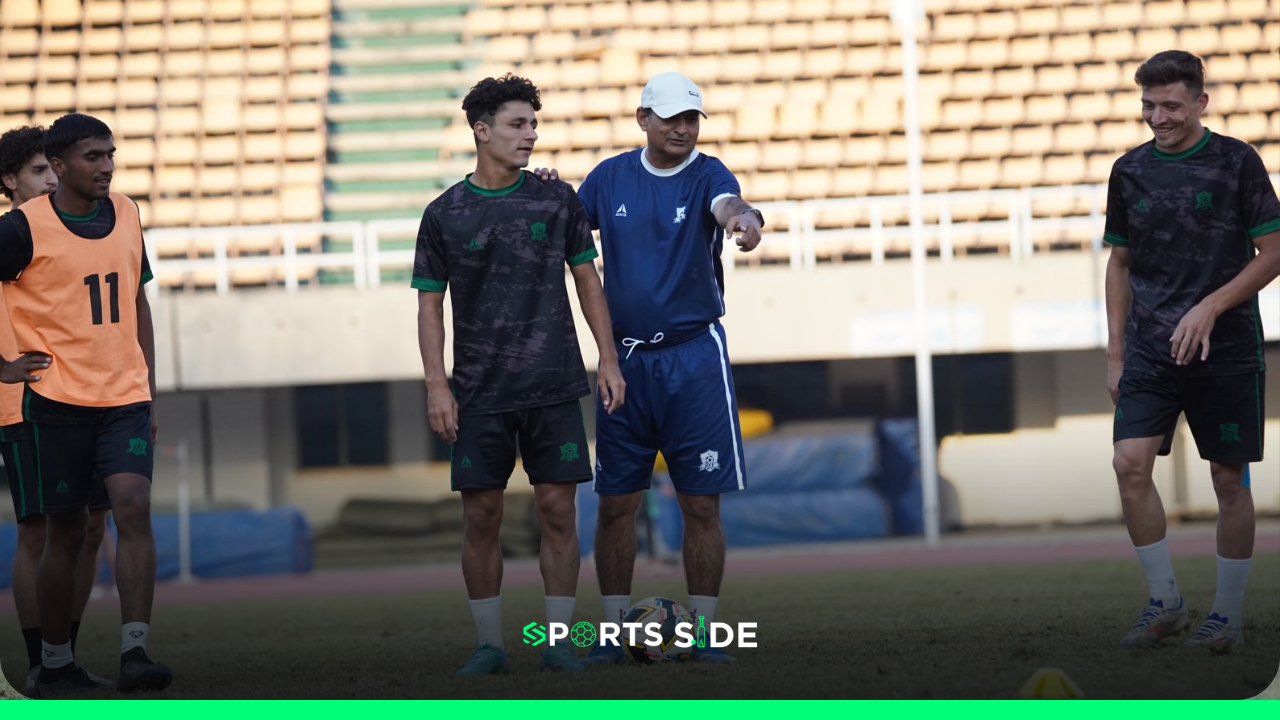
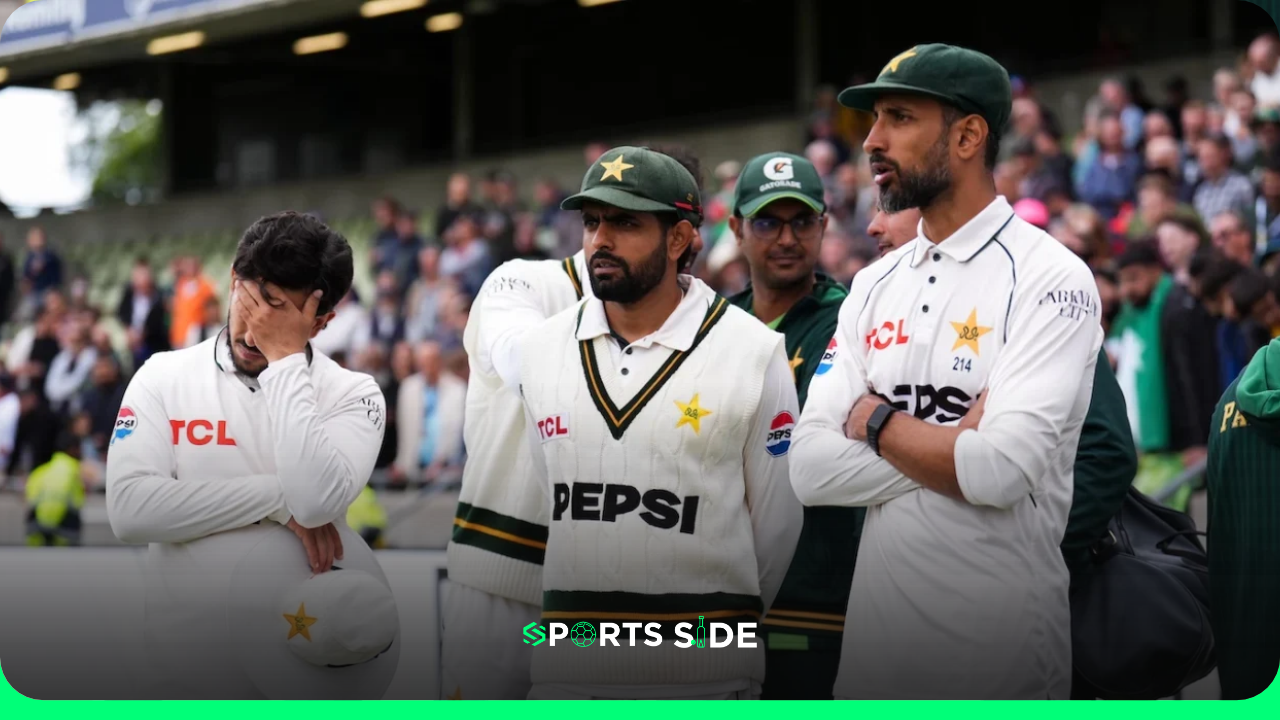
In a crucial AFC Asian Cup 2027 qualifier, Pakistan’s valiant effort waned against a technically superior Syrian team. Though the afternoon at Jinnah Stadium showed how much work still needs to be done, Pakistan went into the game hoping to build on recent gains. Despite the enormous challenge of playing a top-100 Asian team, the atmosphere remained electric as supporters rallied behind the national team.
Pakistan was propelled through the first part of the match by the enthusiasm of the spectators, but quality and experience eventually tipped the scales in favor of Syria. The ninety minutes taught Pakistan’s young and developing team important lessons, despite the seemingly harsh final score.
A Competitive First Half
Pakistan got off to a great start, attacking down the flanks with early pressing, fast passing combinations, and obvious confidence. Despite repeated Syrian attempts to break through centrally, their defensive line remained compact for the majority of the first half. The score at halftime was 1-0, which raised expectations that Pakistan could rally with the support of the crowd. But after the break, Syria’s superior structure, precision, and control allowed them to annihilate Pakistan, highlighting the experience gap.
In the second half, Syria swiftly doubled the lead, forcing Pakistan into deeper defensive positions as pressure mounted. Syria’s ability to punish every defensive error and their physical dominance in moving between lines were demonstrated by four goals in the second half. Pakistan continued to show signs of improvement, including increased awareness, better transitions, and moments of self-assurance during trying times.
ALSO READ :
Return Leg Mirrors the Saudi Arabia Encounter
The earlier meeting in Saudi Arabia followed a similar pattern when Syria controlled the match and limited Pakistan’s attacking opportunities. That fixture ended 2–0 and analysts noted Pakistan’s issues with sustained pressure creation, efficiency and defensive shape during key phases.
Those patterns repeated in Islamabad even more clearly as Syria Annihilated Pakistan with stronger finishing and higher attacking intensity. Pakistan’s young attackers struggled to break into dangerous positions while Syria’s midfield dictated tempo with comfort throughout.
Learning Through Defeat
Given the previous results in Group E, Pakistan’s chances of qualifying for the AFC Asian Cup 2027 are now all but impossible. However, regular international football is still crucial for long-term national development, so these qualifiers have a greater purpose. Ball retention, defensive coordination, tactical decision-making under duress, and clinical finishing were among the coaches’ persistent weaknesses which were pointed out.
Such tough fixtures help the squad understand the pace and discipline required especially on nights when Syria Annihilated Pakistan decisively. Experts believe consistent exposure will eventually strengthen Pakistan as younger players receive opportunities previously denied due to administrative issues.
Decades of Underinvestment and the Road Ahead
Decades of federation disputes, a lack of investment, FIFA suspensions, and the absence of a professional pathway have contributed to Pakistan’s football decline. Talented young people frequently lack access to international opportunities, competitive leagues, and training facilities, which hinders long-term national growth. There is hope that structured reforms and contemporary coaching could gradually rebuild football in Pakistan with the return of international participation.
Crowds at Jinnah Stadium proved that the country retains passion even though Syria Annihilated Pakistan on the scoreboard once again. Future progress depends on infrastructure development, consistent planning and focused training programs designed to elevate national standards sustainably.
Conclusion
Although Pakistan’s 5-0 defeat demonstrated the disparity in skill and experience, the game nevertheless taught important lessons for future development. Even though the loss was severe, Pakistan’s progressive reconstruction will be aided by the exposure it received against a formidable foe.
To achieve long-term competitive stability, it is still essential to prioritize youth development, strengthen domestic structures, and improve coaching. Pakistan can still hope to return as a more powerful and resilient force in Asian football with sustained dedication and wise investment.
ALSO READ :