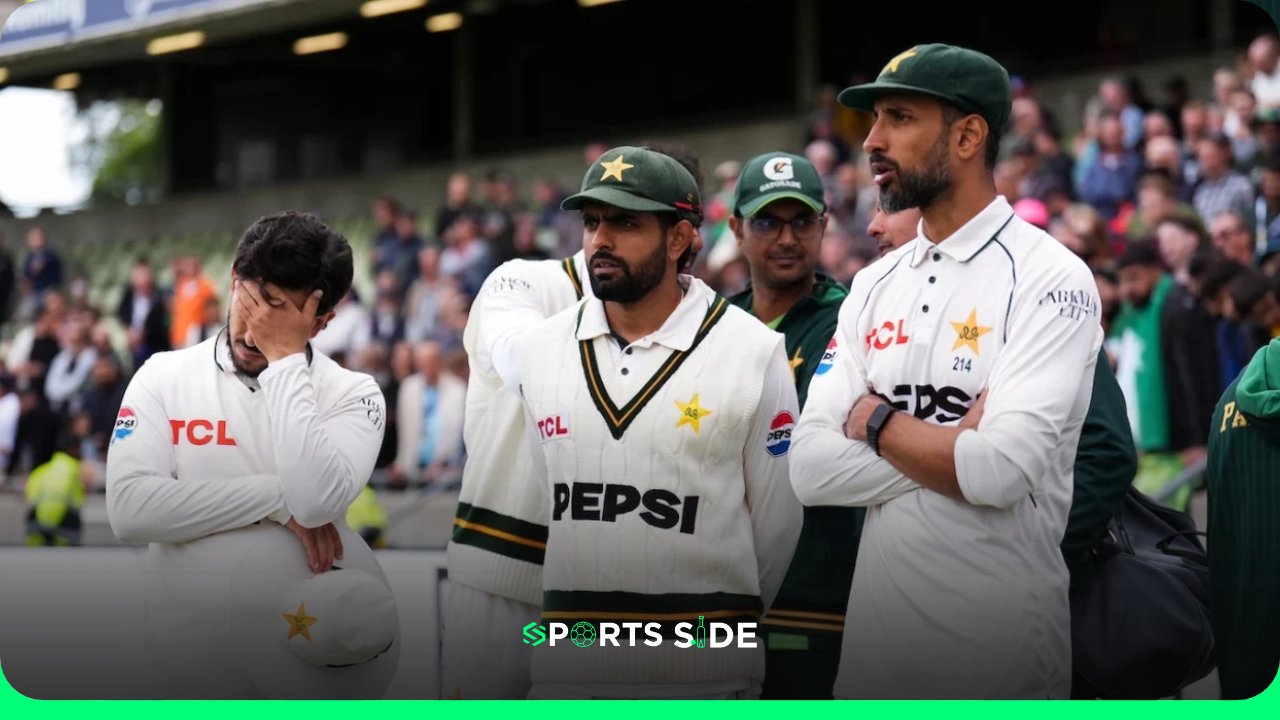
Cricket in Pakistan transcends the boundaries of sport. It is an emotion that is felt down to every neuron, pulse that races through the veins of the nation. Deeply rooted in the country’s cultural DNA – it is a source of national pride and joy.
Every time a Pakistani cricketer sets foot on the turf – he carries the dreams and ambitions of millions of passionate fans who cheer for them from behind the screens. This is like a chain-like network which knits all the fans together and makes them ready to defend their team regardless of the circumstances.
While this fervor provides extraordinary support, it also brings the weight of expectations and performance pressure on Pakistani cricketers often imposing a significant toll on their mental health – a subject that remains, unfortunately, a taboo in our society. Irony is that, a sport celebrated with such deafening noise often meets with remote silence the moment mental health is mentioned.
Understanding The Extremes of Pakistan Cricket Culture
Cricketing culture in Pakistan is defined by two mercurial extremes. You’ll be lionized like a messiah if you continue delivering, but the moment you stumble, all your past glories are erased and forgotten. This mirrors life’s harsh reality, too. Or as the saying goes – success has many fathers, but failure is an orphan. Victories can make you a king overnight. On the contrary, defeat will show up on your door with all guns pointed towards you.
Global superstars like Babar Azam, Shaheen Afridi, Mohammad Rizwan are appreciated for their talents and performances on the field, yet they are also scrutinized by the hungry media, overcritical ex-cricketers, pundits and passionate, often ruthless fans.
Every decision, every run, every delivery is dissected and interpreted by different people. This pressure that comes with constantly being monitored and evaluated creates an environment of mental unrest, where the athletes feel they continuously need to prove themselves in order to survive in the industry.
Cricket is an extremely transparent sport with millions having their eyes glued to the screens, witnessing your successes and failures in real time. While it is true, “the bigger the star the bigger the criticism”, it does not serve as a free pass for the brutality and character assassination that comes along with it.
Read more from the author: Why Does Pakistan Cricket Produce World-Class Fast Bowlers But Fewer Elite Batters?
Sources Of Performance Pressure On Pakistan Cricketers
- Weight of Expectations: Pakistani cricketers carry an immense burden on their backs. People not only expect them to win matches but also hold them accountable for establishing the nation’s reputation.
This creates a toxic cycle which shifts the focus from honing their powers to outside noise that comes with it. Sometimes this exceeds the boundary ropes and often takes the shape of personal attacks, which can affect the player’s mental well-being. Hence, they are continuously in a vicious cycle of staying true to their job while also defending themselves against public resentment.
- Workloads, Fatigue & Burnout: One of the most overlooked topics is how excessive workloads can lead to burnout. The market out there is extremely competitive. Pakistani cricketers, like their counterparts, are attracted towards franchise leagues too; for it is one of the most convenient and straightforward sources of financial security. Cricket is evolving at a rapid pace.
Players get replaced as soon as they drop back-to-back poor performances. So they aim to achieve the most from their skills and augment their earnings as long as their bodies allow them to. The aftermath of this approach is then showcased during international duties when the stakes are high and margins of error are narrow. Players have not fully recovered from the fatigue and exhaustion, and yet they continue to put their bodies under repetitive stress.
This results in below-par performances on the big stage, which induces a feeling or fear of being dropped, creating a pattern which further hinders the ability to perform.
- Media & Public Scrutiny: Oftentimes, after consistently underwhelming performances, the Pakistani media turns into a police interrogation room. Players are expected to address all their concerns and queries and provide explanations and justifications. Moreover, social media these days has become highly toxic. Memes, hashtag trends and negative opinions sometimes cross the boundary between constructive criticism and online harassment. This can shatter the confidence of players and impact their mental health, especially youngsters who do not possess the “emotional fortitude” needed to battle with the external noise.
Cultural Hindrance Related To Mental Health
In South Asian countries, mental health remains clouded by stigma. Athletes are reluctant to discuss this issue to avoid being perceived as “weak-minded”. This forces many to fight their internal battles silently without seeking any professional help. Oftentimes, it progresses to clinical depression, which remains undiagnosed due to a lack of awareness.
Ex-cricketer Shoaib Akhtar has been vocal about his post-retirement psychological struggles to the point that he refrained from leaving his house. He has emphasised how mental pressures and suppressing emotions can lead to adverse consequences. Shoaib Malik also advised young players to insulate themselves from the negativity on social media.
He urged them not to let their focus shift from the game and to only invest energy in variables within their control.
Mental Health Impact On Team Synergy
Mental health challenges are not limited just to the athlete himself; rather, they create a snowball effect that disempowers the whole team. It is the invisible force that gels the team together. A healthy and peaceful mind nurtures a positive atmosphere, whereas stress can lead to communication breakdown, lack of clarity and coherence and inconsistent results.
Players feel secure if they are provided with constant psychological support and security. This translates in the form of boosted confidence, proving that emphasizing mental well-being is the secret recipe to success and outstanding performances as a unit.
Also read: PAK-W vs SA-W T20I Series: Fatima Sana’s Heroics Not Enough as South Africa Take Series 2-1
Strategies For Mental Health Awareness And Support
- Sports Psychology & Mental Health Awareness Seminars: The PCB should organize awareness seminars for players and management. Because addressing psychological shortcomings is as vital as attending a fast-bowling workshop.
These sessions should be conducted by skilled and qualified professionals who are experts at identifying diagnostic signs and symptoms and providing relevant medical assistance.
- Media Training: Players should receive training on how to deal with the diversity of unpredictable questions they may be bombarded with at pressers. Additionally, managing social media usage can also limit exposure to online negativity.
This approach is particularly useful in international tournaments as it guards the athletes from digital toxicity and guarantees their focus remains solely on the game.
- Schedule Management: The PCB should implement policies that govern the amount of international and domestic leagues each player participates in. Rotation policies in international games should be encouraged in order to prevent fatigue risk, burnout and injuries.
This strategy allows players to have a mental reset and return fit and firing after a period of recovery.
- Fanbase Support: Fans should practice healthy discussions, genuine and technical analysis and constructive criticism only.
Meme culture can become toxic to the extent that simple ‘banter’ can turn into personal attacks and mockery. In times of agony, it is essential for the fans to respect the fact that these are the same players who have been the source of national pride and joy in the past.
Human Behind The Jersey
At the end of the day, cricketers are humans before they are stars. They feel, sense and hear everything that echoes in their surroundings. Just because they are in the public eye does not mean they do not have the right to be treated with dignity.
They are professionals at work. Like we can have a bad day at the office, they can too. Perfection is an illusion – athletes must be given the margin to make mistakes and learn from them. They are allowed to have rough days too – it’s a part of work life and human experiences. That is how a normal human is supposed to function. A sound mind resides in a sound body.
Their brains need to be stress-free for the body to function at its peak. Increased stress results in the escalation of cortisol levels, which disrupts every organ of the body.
Therefore, protecting cricketers’ mental health is as crucial as their physical well-being and a psychological prerequisite for their viability and survival.
Conclusion
Performance pressure is an inevitable aspect of the game, especially in a country that breathes the sport. With professional status comes huge responsibility, as these players carry hopes and dreams of hundreds on their shoulders.
While passion and expectations are respected, excessive burdens, chronic stress and unrealistic performance standards can put players under immense mental uncertainty.
Fighting these challenges is not impossible. All we need is collaborative efforts from the boards, fans, media and management.
By prioritizing mental health awareness, exercising empathy and extending professional psychological support, we can create a healthy environment for Pakistani cricketers to excel and thrive. An atmosphere where players are assured of their security – where they can focus on their craft with a clear mind, free from the fear of consequences.
Lastly, promoting mental health awareness in athletes is not just about winning games – it’s about protecting the individuals who carry the nation’s aspirations every time they step onto the field to represent the country on the biggest stage.
Continue Reading: