These words of former English captain David Gower echoed in my mind as I perused through social media after the conclusion of Day 2 in the second Ashes test. The performance of bazball came under scrutiny once again. The declaration in the first test had already drawn criticism, being labeled as a failure of the bazball strategy by some. Now, Day 2 of the second test presented an intriguing debate to explore where a short ball tactic employed by Australia put Bazball in a tight spot.
England’s Confident Start
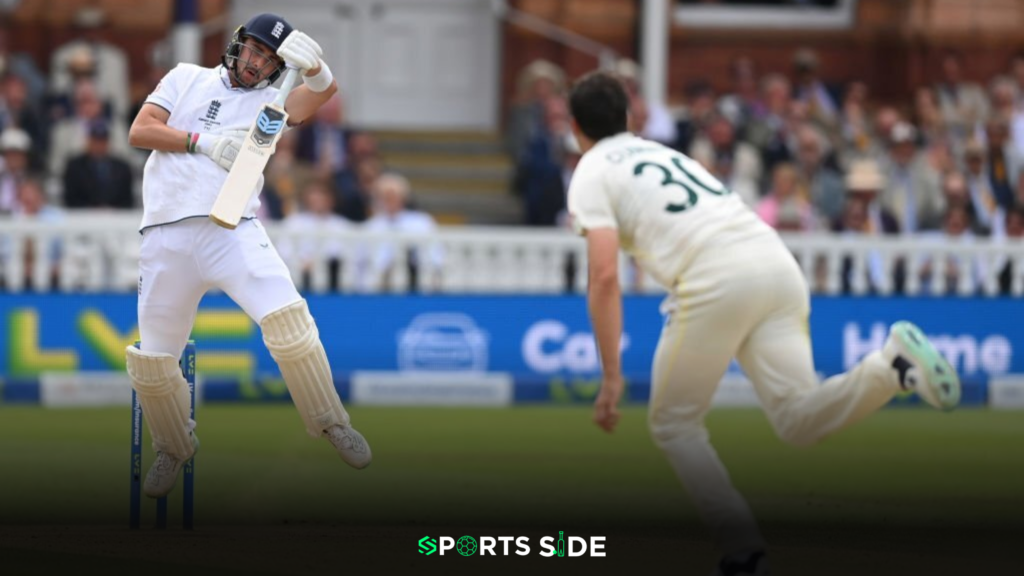
England faced a difficult time with the ball as Steve Smith’s brilliance and Travis Head’s attacking innings guided Australia to a mammoth total of 376. In response, England started confidently, with Ben Duckett, Zak Crawley, and Ollie Pope taking the score to 188-1 by the final session. However, Australia, with their premier spinner absent, unleashed a relentless barrage of ferocious short balls which triggered a collapse from 188-1 to 222-4.
Bazball vs Australia’s Short Ball Tactic
The Lord’s pitch was not as flat as Edgbaston’s in the first test and exhibited a slightly two-paced nature. In such conditions, batsmen usually take a step back and allow the short ball deliveries to come to them, either defending them back or bodying them. This method might not yield quick runs, but it helps in saving wickets.
However, the English batsmen did not adopt this approach and instead aggressively took on the short ball. The result was the dismissals of Joe Root, Ollie Pope, and Ben Duckett. Harry Brook, who persisted with his aggressive intent, managed to accumulate 45 runs by day’s end. Yet, he survived two close chances, and more than once, his airborne strokes landed in no man’s territory.
Also Read: Bazball Fails as Khawaja’s Heroics Take Australia Over the Line in First Ashes Test
Ben Stokes’ Departure From Bazball- An Answer To Smith’s Questions?
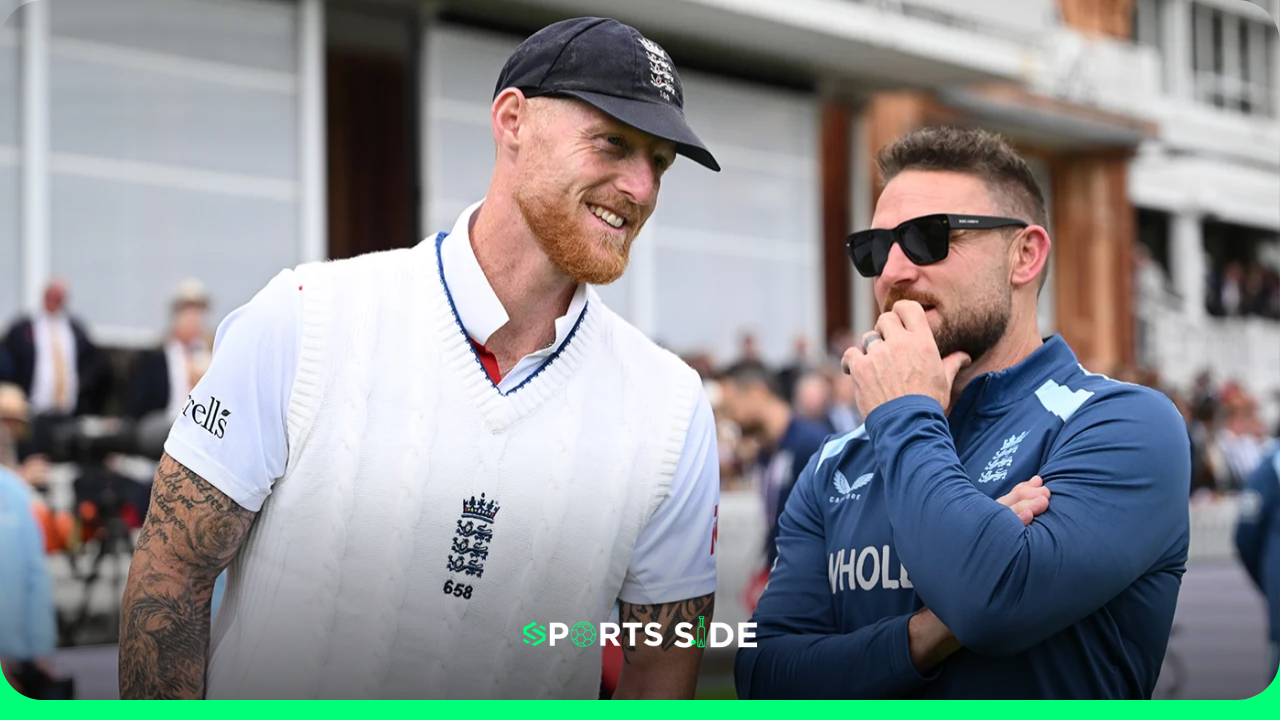
Interestingly, England captain Ben Stokes had a different approach. Known as one of the pioneers of bazball along with charismatic coach Brendon McCullum, Stokes played with a pedestrian strike rate of 29. He did not attack the short deliveries and chose to defend or body them as the textbook approach would say.
This approach was in contrast to the rest of the English side. Prior to the series, Steve Smith expressed his curiosity about the sustainability of bazball, especially when playing on a challenging wicket with the likes of Josh Hazlewood, Pat Cummins, and Mitchell Starc. He questioned whether England would change their approach in such a scenario.
As the sun set on Day 2 of the second test, Smith’s questions were answered. The trio of Starc, Cummins, and Hazlewood turned the game in Australia’s favor with their fiery tactics. Stokes’ un-bazball-like innings, compared to the rest of the English side, also addressed Smith’s query about whether the approach would be the same.
The Cricket World Watches: What’s Next for Bazball?
The sustainability and game plan of bazball will continue to be scrutinized throughout the series. Day 2 demonstrated how this playstyle can backfire, turning a comfortable position into a daunting one. It also highlighted the effectiveness of adopting the approach based on game context and situation, as seen in Stokes’ innings. All eyes will be on how England approaches the rest of the series.
Will they stick with bazball throughout, or will they switch up their approach when needed, as Captain Stokes did? The unfolding events have intensified the curiosity among cricket enthusiasts and pundits to see if bazball mounts a resurgent comeback, or if the Australians will exploit its inherent vulnerabilities and carefree nature to cast it into disarray. Only time shall tell us the answers to these burning questions
Also Read: