The 2024 T20 World Cup has kicked off with its fair share of excitement and controversies. One of the hottest topics of discussion has been the T20I World Cup travel tales and impact of travel and scheduling on the teams’ performances. With the tournament spread across the USA and the West Indies, travel logistics have become a significant factor.
Warm-Up Match and First Match
The initial days of the tournament are crucial. A well-rested and acclimatized team is more likely to perform at its best. This is especially true for the teams in Groups C and D, known as the groups of death. The conditions in the USA are largely unfamiliar to most teams, making it essential to get used to the environment early on.
Take Sri Lanka’s situation, for instance. Their tournament started on a rough note due to a delayed flight that kept them stranded at the airport all night. They then faced a long drive to the ground in New York. In stark contrast, their opponents, South Africa, had been comfortably settled in New York for a week and only had a short 14-minute drive to the ground.
This difference in preparation time and travel fatigue can significantly impact performance. Teams that have more time to settle and adapt to the local conditions undoubtedly have a competitive edge.
The Travel Burden
Travel fatigue is a real concern in this fast-paced tournament. Apart from the initial journey to their first resting spot in either the USA or the West Indies, the number of flights teams have to take during the tournament varies significantly. While all teams have the opportunity to give feedback on the schedule, not all concerns are addressed equally, leading to disparities.
Sri Lanka’s hectic travel schedule stands in stark contrast to South Africa’s more relaxed itinerary. After their match in New York, Sri Lanka had to pack up, check out, and catch a 6pm flight on the same day. South Africa, meanwhile, stayed put for two matches. This disparity highlights the uneven playing field created by travel schedules.
The Impact on Teams
While it’s easy to dismiss these concerns as part of a professional athlete’s life, it’s essential to recognize the human aspect. Early wake-ups, long drives, and continuous packing and unpacking can take a toll on players’ mental and physical well-being.
Sri Lanka’s players had to wake up at 5:30 am, load their bus at 6:30 am, and endure a 90-minute drive to the ground. They only managed to have breakfast once they arrived. Such disruptions are bound to affect their performance on the field.
In contrast, South Africa’s players enjoyed a much more relaxed schedule, allowing them to focus solely on their game. This disparity in preparation and rest can have a significant impact on match outcomes.
Also Read:
Top 5 Bowlers to Watch Out for in T20i World Cup 2024
Comparative Analysis
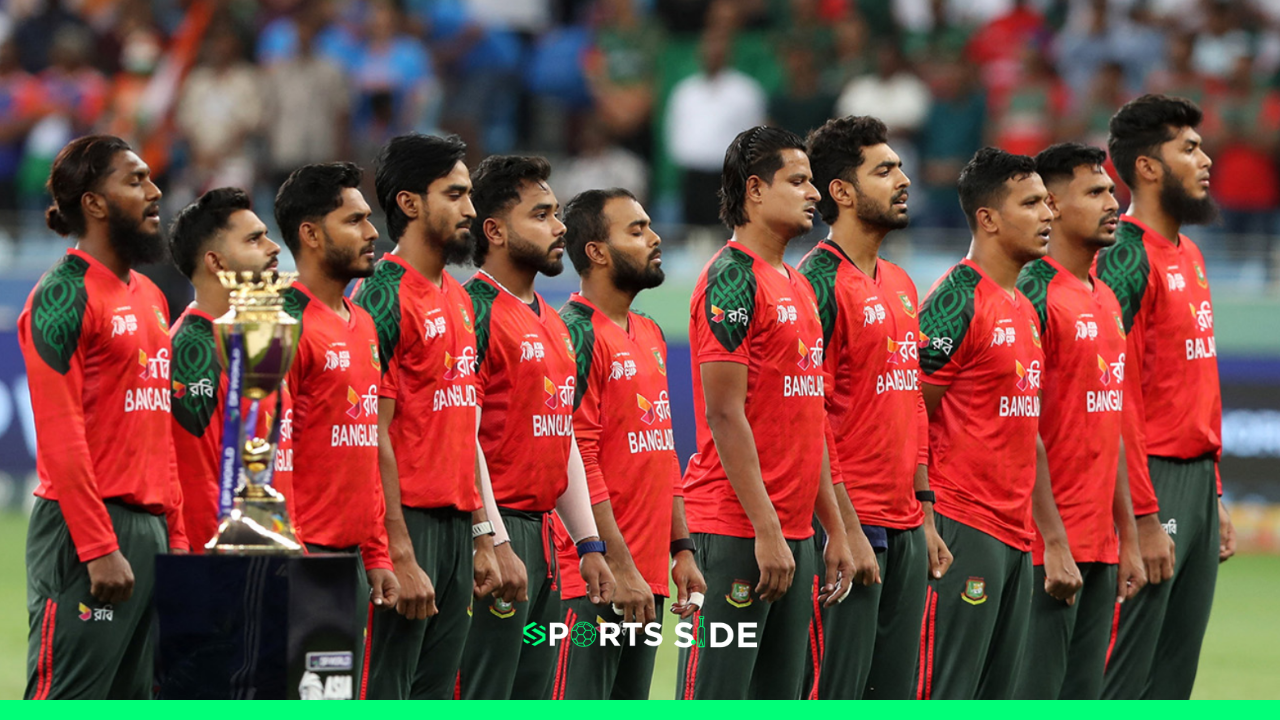
As the tournament progresses, teams like Sri Lanka and Bangladesh, who have more frequent flights and longer travel times, are likely to feel the strain. These teams will undoubtedly compare their situations to those of teams with more favorable schedules, potentially leading to frustration and calls for fairer scheduling in future tournaments.
It’s essential for tournament organizers to consider these factors when planning schedules. Ensuring a more level playing field by minimizing travel fatigue and giving all teams ample time to acclimatize could lead to more competitive and fair matches.
Also Read: