The Board of Control for Cricket in India (BCCI) is the richest cricket board in the world, but money alone does not guarantee success. What truly matters is how resources are invested in the long-term development of players and the systems that support them. Strong player development comes from building structures that focus on fitness, rehabilitation, sports science and high-performance environments where athletes can grow and recover properly.
India’s Rise Is No Accident
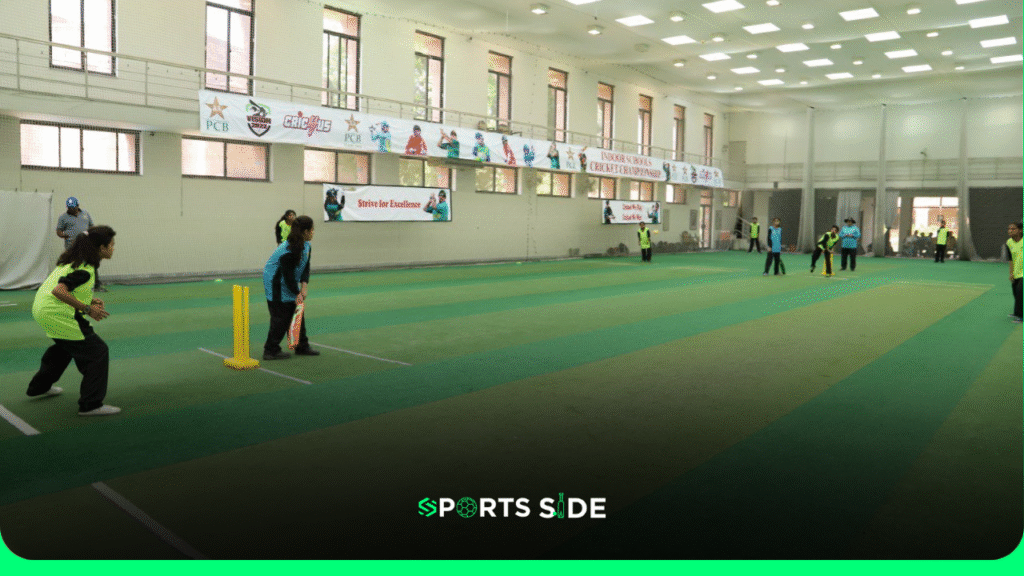
The BCCI’s new Centre of Excellence at the National Cricket Academy in Bengaluru is a perfect example of this approach. Spread across forty acres, the facility includes three full-sized grounds, up to eighty practice wickets, both indoor and outdoor areas, and pitches made with different soil types to help players adapt to various conditions. It also features a modern athletics track, recovery pools, floodlights, advanced drainage and broadcast infrastructure.
What sets this project apart is its focus on the complete development of cricketers. It includes a dedicated sports science and medicine block, accommodation for players, spacious dressing rooms and rehabilitation zones that promote comfort and recovery. For years, the BCCI aimed to match the world-class facilities of England and Australia, and this project finally achieves that vision. The result is a structure that not only helps players perform better but also ensures they return stronger from injuries. Jasprit Bumrah’s successful recovery and comeback highlight how effective player development systems can shape careers.
Also read:
PCB Player Development : A Tale of Lost Potential
Pakistan, on the other hand, continues to struggle with this very concept. The Pakistan Cricket Board has often been criticised for its inconsistent handling of injuries and the absence of a clear player development strategy. Fast bowler Ihsanullah’s case exposed serious gaps in the medical system. His elbow injury was reportedly misdiagnosed and poorly managed, delaying his recovery and limiting his progress. Shaheen Shah Afridi’s injury sparked similar concerns after reports suggested he had to travel and arrange his own treatment in England, raising questions about the PCB’s professional standards.
Many cricketers, including Junaid Khan, Hasan Ali & Rumman Raees, have spoken about outdated fitness programmes and inadequate training support at the National Cricket Academy in Lahore. Some prefer to train privately because they believe the PCB system does not meet international standards. This shows a clear lack of a unified structure for player development and well-being.
Pakistan Cricket: A System Still Searching for Vision
The problem extends beyond the national setup to domestic cricket. Players competing in major tournaments such as the Quaid-e-Azam Trophy have complained about unhygienic dressing rooms, poor nutrition and insufficient medical care. Former player Sohaib Maqsood even described seeing rats in players’ kit bags. Combined with a match fee of only around thirty thousand rupees, which equals about one hundred US dollars, these conditions make it impossible to build a strong domestic foundation for the future of Pakistan cricket.
It is time for the PCB to recognise that player development is the foundation of success. The board has the money, but it needs a long-term vision and a genuine commitment to welfare, training and rehabilitation. Investing in a modern, high-performance and medical centre is not just an expense; it is an investment in Pakistan’s cricketing identity.
If Pakistan wants to close the gap with India, England and Australia, they must build the kind of systems that nurture talent from the ground up. Strong player development, backed by modern facilities and scientific support, will ensure that Pakistan’s next generation of cricketers is ready to compete with the best in the world. The players are the future of the game, and their growth must always come first.
Keep Reading: