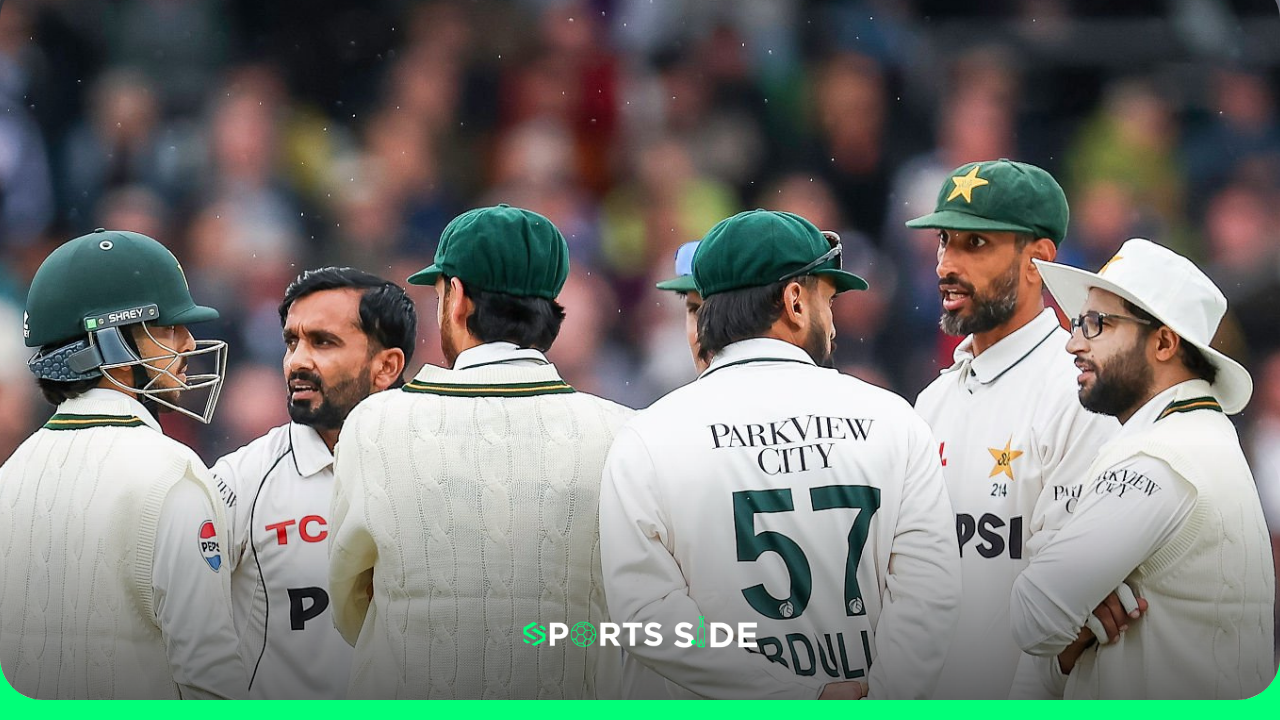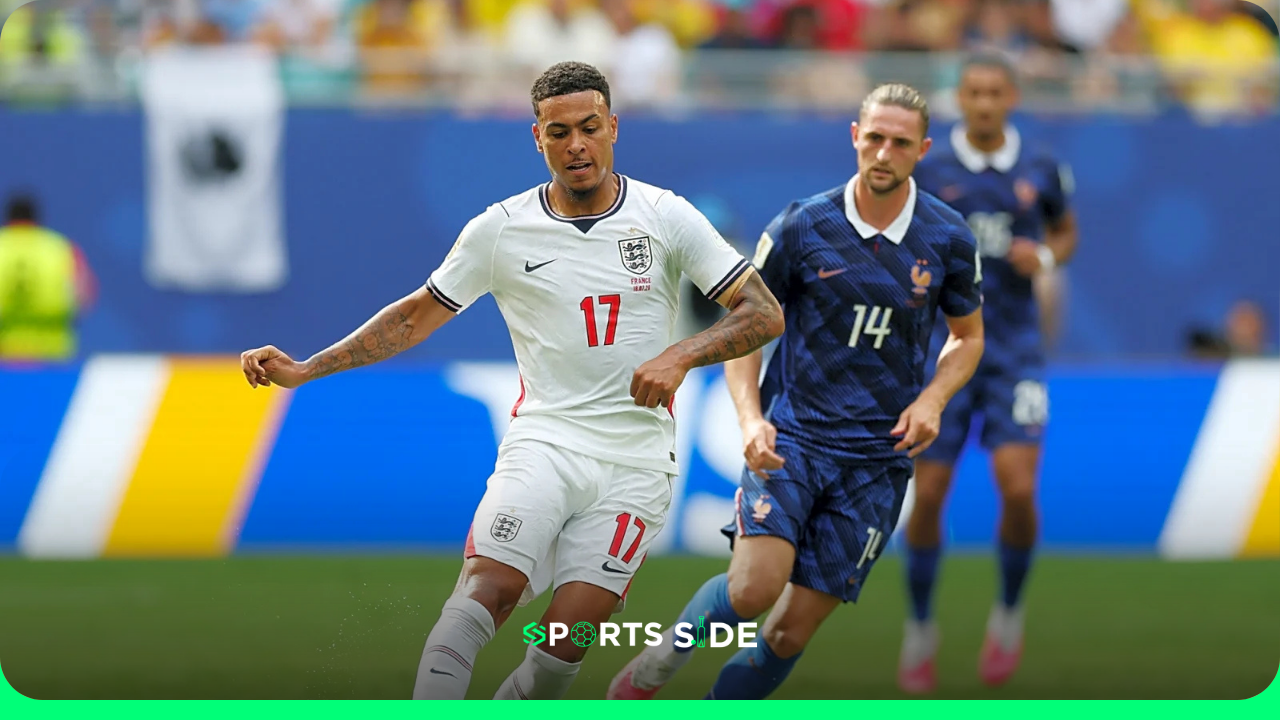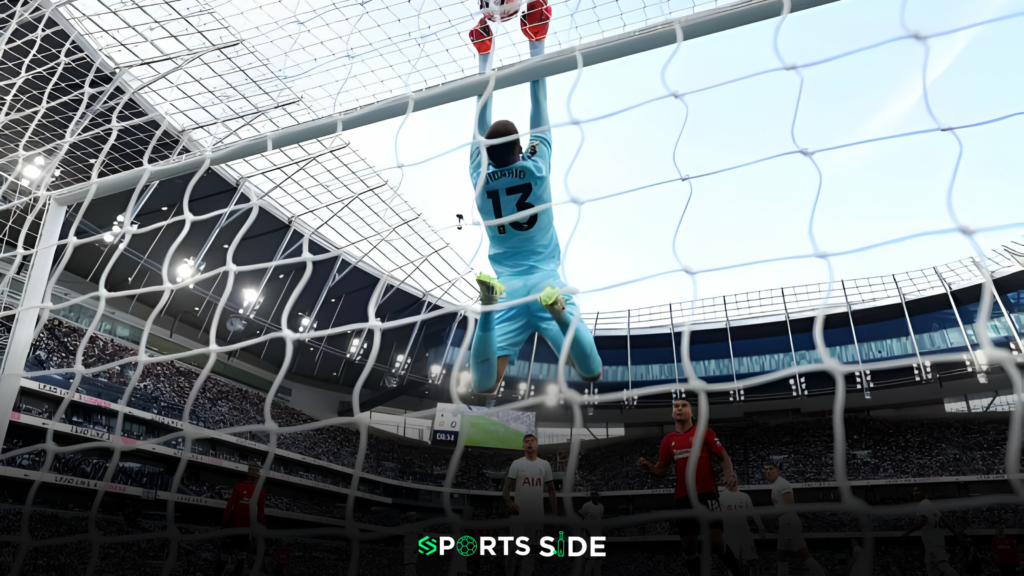
In recent years, the football calendar has become increasingly packed with fixtures, leaving players with little time for rest and recovery. The rise of fixture congestion is rightly attributed to the globalization of the sport, with clubs participating in numerous domestic leagues, cup competitions, continental tournaments, and international fixtures. Moreover, the commercialization of football has led to the proliferation of lucrative pre-season tours and friendlies, adding further strain to an already congested schedule.
Globalization of Football:
While fixture congestion and long travels pose significant challenges for players and clubs, they are also representative of the globalization of football as a booming economic powerhouse. With the sport’s immense popularity transcending borders, clubs increasingly leverage international markets for revenue generation through merchandising, broadcasting rights, and sponsorship deals. Consequently, the pressure to participate in global competitions and pre-season tours has intensified, leading to further strain on players’ physical and mental well-being.
Players’ Health:
The relentless playing schedule takes a heavy toll on players’ physical and mental health. Studies have shown a correlation between fixture congestion and an increased risk of injuries, including muscle strains, ligament tears, and fatigue-related illnesses. This not only impacts individual players’ careers but also disrupts team dynamics and weakens the overall quality of play as players struggle to perform at their peak.
The mental strain of fixture congestion cannot be overstated. The constant pressure to perform, coupled with the relentless travel and lack of recovery time, can lead to burnout, anxiety, and depression among players. This not only affects their performance on the field but also their overall well-being and mental health.
Also Read: INEOS Take Over at Manchester United: An Analysis
The Future of Football:
The beautiful game, at its core, is about showcasing talent, skill, and athleticism. However, if the current trend of prioritizing commercial interests over player well-being continues, the quality of the sport could suffer. It is imperative to find a balanced approach that prioritizes both the economic interests of the game and the health and well-being of the players who bring it to life. Only then can football truly thrive as a sport that entertains and inspires fans around the globe.
The Players’ Voice:
Players’ unions and professional bodies need to play a more active role in advocating for player welfare. Establishing safe working conditions and ensuring adequate recovery time between matches should be a top priority. Additionally, fostering open communication between players, clubs, and governing bodies is essential to develop sustainable solutions.
Prominent Critics:
Pep Guardiola, Manchester City manager while acknowledging the commercial realities of the game, has emphasized the importance of player recovery and called for a more sustainable approach to scheduling.
José Mourinho, known for his demanding training methods, has surprisingly become a vocal critic of fixture congestion, arguing that it hinders player development and reduces the quality of the game.
Arsene Wenger, former Arsenal manager and a proponent of player welfare throughout his career, has consistently advocated for a reduction in matches and a focus on protecting player health.
Jürgen Klopp, Liverpool FC manager and a vocal critic of fixture congestion has repeatedly highlighted the negative impact on player well-being and the risk of injuries. He has advocated for reducing the number of matches and a more balanced schedule.
Finding Solutions:
In light of the mounting concerns surrounding fixture congestion, player injuries, and the globalization of football, stakeholders within the sport must come together to explore viable solutions. This may involve restructuring the football calendar to allow for more rest periods between matches, implementing stricter regulations on the number of games played per season, and adopting innovative training methodologies to mitigate the risk of injuries.
Furthermore, governing bodies such as FIFA and UEFA have a crucial role to play in promoting sustainable practices within the sport and prioritizing the welfare of players over commercial interests. This could entail revisiting the scheduling of international fixtures, reevaluating the format of continental tournaments, and fostering collaboration between clubs, leagues, and federations to achieve a more balanced and equitable football calendar.
Also Read: