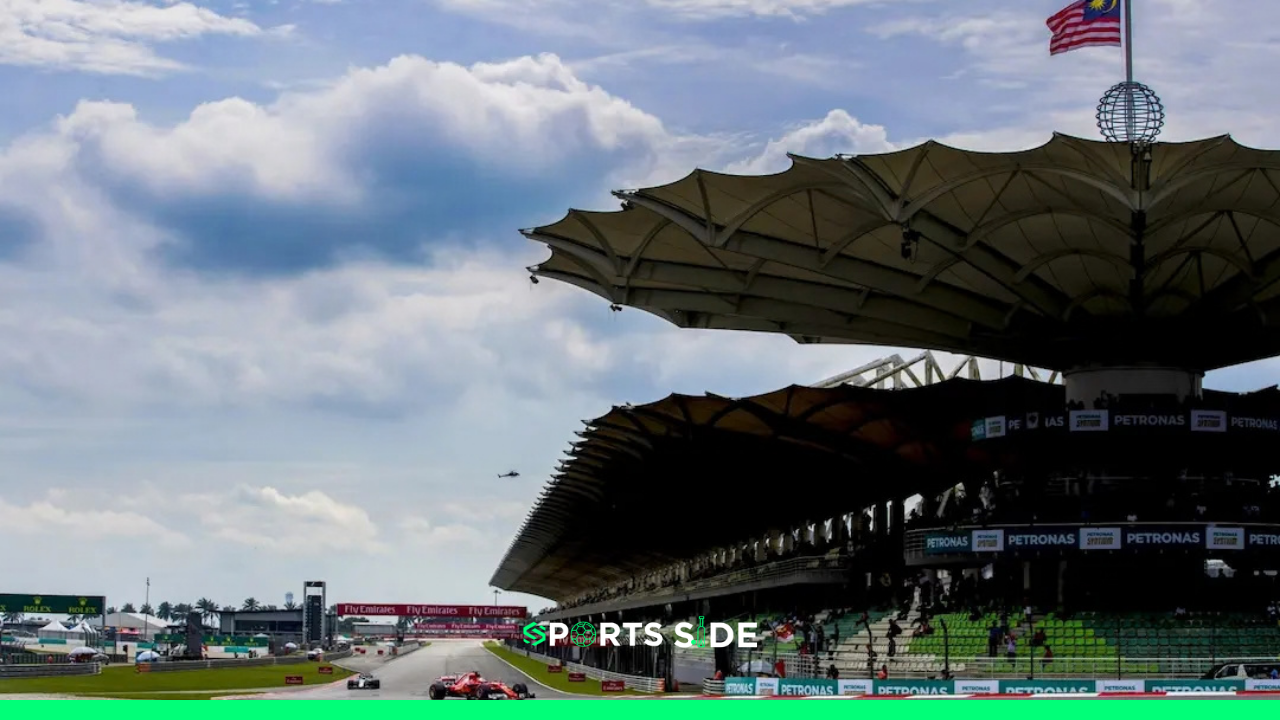
After the first two races of the 2026 F1 season, one thing is clear: Mercedes is the team to beat. Currently, Ferrari is the only team that seems capable of challenging Mercedes. In both races, Ferrari challenged the Silver Arrows at the start, took the lead into Turn 1, and remained competitive throughout. However, they lacked the pace to finish ahead of Mercedes.
Now the question is: how far behind is Ferrari? What factors are holding them back? Can they beat Mercedes anytime soon? What is their upgrade timeline? Let’s take a closer look.
Also Read
Mercedes superior power unit: Key advantage
Mercedes is not only faster than Ferrari but also the fastest overall package, largely due to its superior power unit. This advantage comes from multiple factors.
The first is the likely higher compression ratio of the W17 powertrain. Under the new regulations, Mercedes appears to have found a workaround that allows a higher compression ratio. More efficient combustion translates directly into higher speed.
Mercedes also uses Petronas fuel, which is proving to be more efficient than other fuel suppliers by releasing more energy within the engine. Another advantage is the larger turbine size, which improves energy recovery and braking efficiency. Overall, the Mercedes engine is estimated to have a 20–25-horsepower advantage over the Ferrari engine.
straight-line deficit: Ferrari’s biggest weakness
Most of Ferrari’s performance loss comes on the straights. During the Chinese GP, the total qualifying gap was 0.35 seconds, with the majority of that time lost in straight-line sections.
Overall, Ferrari is losing around 0.3 seconds on the straights alone, meaning almost the entire deficit comes from this area. This is a critical weakness that Ferrari must address moving forward.
Energy Deployment Gap
Mercedes also has better battery management compared to Ferrari. Because Ferrari drivers are often fighting either each other or Mercedes, their energy usage becomes inefficient.
Ferrari tends to use more electrical boost, which provides a short-term gain but is not sustainable over a race distance. As a result, they struggle to maintain performance in later laps and become vulnerable.
Mercedes, on the other hand, has better integration between the internal combustion engine and hybrid systems, allowing them to deploy more energy while losing less.
Tyre Management Struggles: Ferrari’s Race Long Handicap
Mercedes excels in tyre management, which allows them to gain significant time in the latter stages of races. This is largely due to smoother energy deployment, which reduces tyre degradation.
Ferrari, meanwhile, suffers from higher tyre wear due to more aggressive driving and energy usage. This leads to increased sliding and stress on the tyres. As a result, Ferrari often starts strong but loses pace and positions later in the race.
Intra-team fighting
The intra-team battles between Ferrari’s drivers are also costing them valuable performance. Fighting each other leads to unnecessary energy usage and increased tyre degradation, leaving less available when battling rivals.
Ferrari may need to consider implementing team orders if they want to mount a serious challenge against Mercedes.
Ferrari Strengths: Corner speed and Strong starts
Despite their weaknesses, Ferrari does have key strengths that keep it competitive. One of the biggest is their race starts. In an era where many teams struggle with launch procedures, Ferrari has consistently nailed their starts.
This has allowed their drivers to take the lead into Turn 1 multiple times in both the Australian and Chinese Grands Prix, thanks to strong traction and effective initial deployment.
Ferrari is also stronger than Mercedes in cornering speed. Their chassis and mechanical grip give them an advantage in corners, particularly in Sectors 1 and 2 on technical tracks.
Ferrari’s comeback chances
It’s not all doom and gloom for Ferrari. With upcoming upgrade windows, there is a strong opportunity to reduce the deficit and potentially challenge Mercedes more consistently.
The first major opportunity comes before the Miami Grand Prix, where a four-week break allows teams to introduce significant upgrades.
One potential upgrade is aerodynamic. Ferrari has already tested a unique 360-degree rotating rear wing, dubbed the “Macarena,” during Bahrain pre-season testing and at the Chinese GP practice session. While it hasn’t been raced yet, it could be introduced as early as the Japanese GP.
As discussed earlier, much of Mercedes’ advantage comes from its power unit. Ferrari has opportunities to close this gap. One of them is through the Additional Development and Upgrade Opportunities (ADUO) rule.
Under this rule, Ferrari may be eligible for engine upgrades if its performance is 2% below the benchmark (Mercedes). This is measured not by lap time, but by an Engine Performance Index. Any such upgrade is expected before the Monaco Grand Prix, and even small gains could be decisive.
Another potential factor is a revision of compression ratio regulations, scheduled for June. This could limit Mercedes’ current advantage. However, Ferrari cannot rely solely on regulation changes and must improve their overall package, as emphasized by team principal Fred Vasseur.