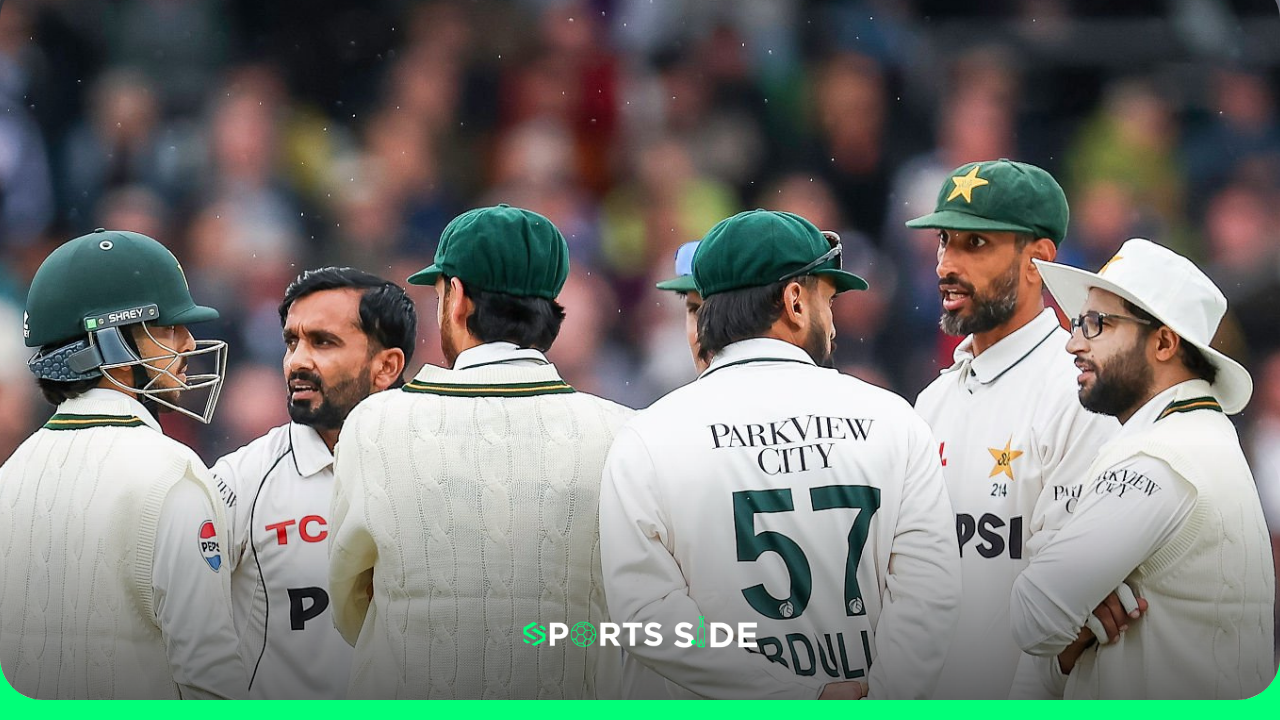
Rewinding the clock by about a year, Pakistan found themselves engrossed in a two-test series against Sri Lanka. The opening test was a resounding victory, with Pakistan successfully chasing down a colossal target of 342, thanks in large part to Abdullah Shafiq’s composed and patient innings of 160. What followed was a difficult and winless red ball period for Pakistan during which many areas of concern arose including questions on the captain’s tactics and spot of the vice-captain in the playing xi.
The Number Three Question
In the second test vs Sri Lanka, veteran batsman Azhar Ali was dropped due to a slump in form and to provide better bowling and batting balance. Unfortunately, Pakistan couldn’t sustain their winning momentum and ended up losing the subsequent test match. The positional changes within the batting lineup may have affected the batsmen’s form. Captain Babar Azam, compelled by the circumstances, had to relinquish his usual position at number four to bat at the number three spot. Meanwhile, vice-captain Muhammad Rizwan, typically accustomed to batting at number six in the red-ball format, was elevated to the number four position.
Also Read: Should Imad, Hassan, and Sarfaraz be Considered for Pakistan’s ODI Future?
Adding to the dilemma, Azhar Ali announced his retirement following England’s comprehensive 3-0 victory over Pakistan at home. This retirement announcement further intensified the predicament of finding a suitable candidate for the number three spot on the Pakistani test side. In this article, we delve into the various options available to Pakistan as they ponder their choices for the crucial number three position in the upcoming series against Sri Lanka.
Shan Masood
In the recent series against New Zealand, Shan Masood was entrusted with the number three position. However, his performance was underwhelming, with scores of 3, 10, 20, and 32, resulting in a modest average of 16.25. Despite his experience and proficiency against left-arm spin, which coincides with Sri Lanka’s main bowling threat, Prabath Jayasuriya, Masood’s career average of under 30 over a span of 9 years raises concerns about his suitability for the number three spot. Additionally, his susceptibility to off-spin, evident in dismissals against Michael Bracewell in the New Zealand series, could be exploited by Sri Lankan spinners such as Maheesh Theeksana and Dhananjaya de Silva, further weakening his case.
Babar Azam
Traditionally, the team’s best batsman occupies the number four spot in test cricket. Babar Azam has thrived in this role since the retirements of Younus Khan and Misbah-ul-Haq. However, as the captain, Azam has the option to promote himself to number three, following the example of New Zealand’s Kane Williamson during his tenure as captain. On paper, this strategic move seems plausible, but Azam’s average of 30 at number three pales in comparison to his exceptional average of 63 at number four. Thus, Pakistan may be hesitant to disrupt their captain’s position, relying heavily on his ability to score runs in Sri Lanka.
Saud Shakeel
Saud Shakeel has made an impressive start to his test career, accumulating 580 runs in just five matches at a remarkable average of 72.50. While most of his runs have come batting at number four or five, Shakeel has prior experience in the number three position in first-class cricket. His ability to handle both pace and spin, coupled with his composure under pressure, make him a compelling candidate for the number three spot. Moreover, Shakeel’s inclusion at number three would allow Pakistan to optimize their bowling resources, potentially fielding both spinning all-rounders Agha Salman and Nawaz. However, it is worth noting that Shakeel encountered difficulties while batting at number three during his recent county stint, which may prompt the team management to consider using him in a position where has shown success.
Abdullah Shafique
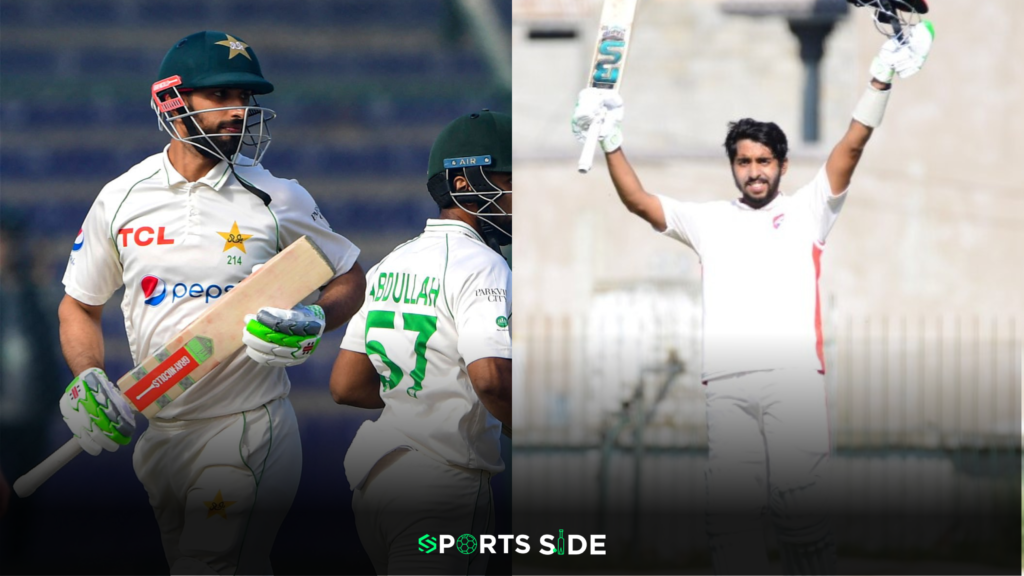
Abdullah Shafique emerged as the hero of the Galle test match last year, sealing a mammoth chase with a composed and patient innings. However, he struggled to maintain consistency in the tests that followed, resulting in a decline in his batting average. Moving Shafique to the number three position could provide him with a fresh challenge and reduce the pressure of facing the swinging new ball, which has been a recent source of trouble for him. In this scenario, Pakistan could consider opening the innings with the young and promising Muhammad Huraira or introducing more experienced options like Rizwan or Shan Masood alongside Imam-ul-Haq. Shafique’s temperament and ability to construct long innings make him an intriguing candidate for the number three spot.
Muhammad Huraira
As a fresh face in Pakistan’s red ball squad, Muhammad Huraira brings an impressive average of over 68, with a notable triple hundred to his credit. Pakistan could contemplate deploying him at the number three position to kickstart his test career. Despite being a young talent, Huraira is poised to embrace the challenges that come with wearing the Pakistan cap. However, it is worth considering that all of his first-class brilliance has occurred while opening the batting. The management will ponder the decision to use a player in a position that differs from his natural one during his debut series.
Conclusion
Addressing the number three spot will be a crucial task for the Pakistani team as they prepare for the series against Sri Lanka, with an eye toward the more challenging series against Australia in the future. The question remains: will one of the four candidates mentioned above stake their claim to the number three position, or will the team management surprise us with an unexpected selection?
Also Read