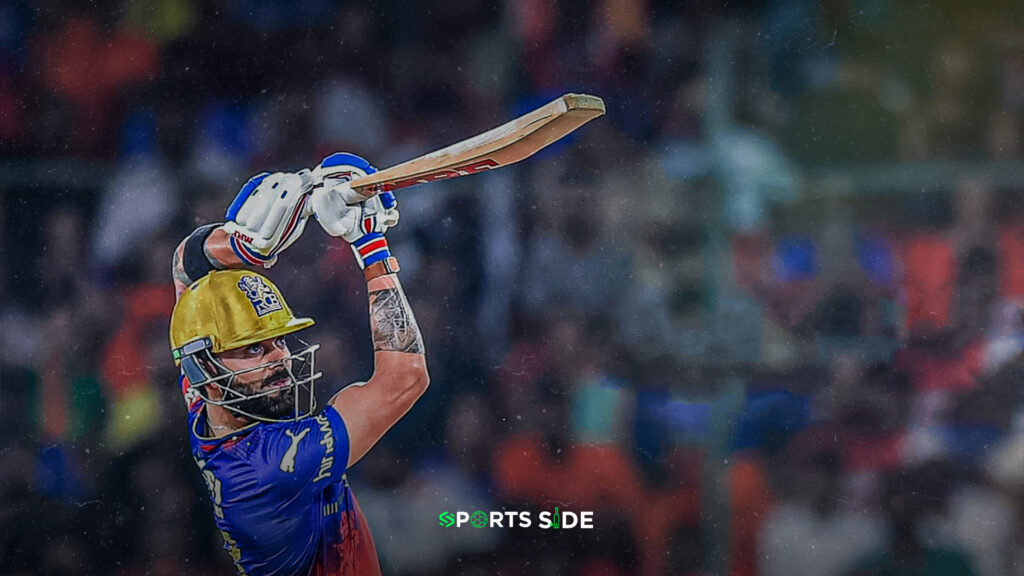
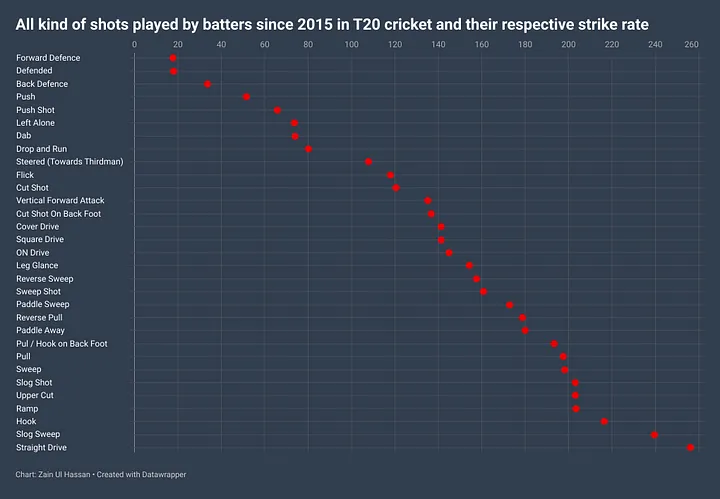
In the fast-paced world of T20 cricket, every shot counts. With over half a million deliveries analyzed over the past nine years, we delve into the effectiveness of various cricket shots in this high-octane format. From defensive maneuvers to aggressive strokes, each shot plays a crucial role in shaping the outcome of matches.
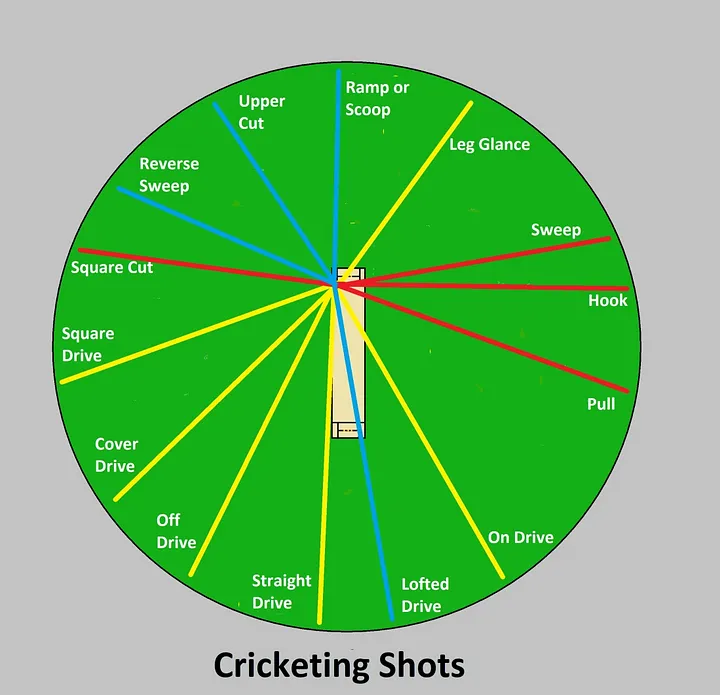
Key Findings:
- Defensive Cricket Shots:
— Forward Defence: Strike Rate — 17.66
— Defended: Strike Rate — 17.79
— Back Defence: Strike Rate — 33.47
These defensive shots, while crucial for survival in certain situations, exhibit relatively low strike rates, emphasizing their primary function as defensive manoeuvres rather than scoring opportunities.
Also Read: Papua New Guinea Gears Up For T20I World Cup 2024 Campaign By Indulging Phill Simmons As their Coach
- Controlled Scoring Shots:
— Push: Strike Rate — 51.41
— Push Shot: Strike Rate — 65.83
— Left Alone: Strike Rate — 73.37
— Dab: Strike Rate — 73.67
— Drop and Run: Strike Rate — 80.08
These shots offer a balance between scoring runs and minimizing risk, providing batsmen with options to rotate the strike and accumulate runs without taking significant risks.
- Attacking Shots:
— Steered (Towards Thirdman): Strike Rate 107.56
— Flick: Strike Rate — 117.641
— Cut Shot: Strike Rate — 120.433
— Vertical Forward Attack: Strike Rate 135.09
— Cut Shot On Back Foot: Strike Rate 136.58
— Cover Drive: Strike Rate — 141.08
— Square Drive: Strike Rate — 141.21
— ON Drive: Strike Rate — 144.76
These shots are characterized by their aggressive intent, aimed at finding boundaries and scoring quickly. They require precision and timing, but when executed effectively, they can change the course of a game in a matter of deliveries.
4. Specialized Shots:
— Leg Glance: Strike Rate — 154.117
— Reverse Sweep: Strike Rate — 157.56
— Sweep Shot: Strike Rate — 160.54
— Paddle Sweep: Strike Rate — 172.72
— Reverse Pull: Strike Rate — 178.57
— Paddle Away: Strike Rate — 180
— Pull/Hook on Back Foot: Strike Rate 193.14
— Pull: Strike Rate — 197.54
— Sweep: Strike Rate — 198.02
— Slog Shot: Strike Rate — 202.92
— Upper Cut: Strike Rate — 203.04
— Ramp: Strike Rate — 203.41
— Hook: Strike Rate — 216.15
— Slog Sweep: Strike Rate — 239.24
— Straight Drive: Strike Rate — 255.9
These shots require specialized skills and are often employed to counter specific bowling strategies or conditions. While some are designed to exploit gaps in the field, others are high-risk, high-reward options favoured by aggressive batsmen.
Conclusion:
In T20 cricket, the ability to execute a wide range of shots with precision and timing is essential for success. From defensive blocks to audacious sweeps, all the cricket shots serve a unique purpose in a batsman’s arsenal. By understanding the relative effectiveness of different shots, players can tailor their approach to suit the demands of the game and maximize their contribution to their team’s success.
Also Read: