The 2026 Formula One (F1) season will mark a new era in F1 history, thanks to significant regulatory changes. Along with the most talked-about new regulations, there are a few other changes that might remain under the radar. This article discusses all the changes ahead of this year’s season, including major and minor changes.
New Regulations
When the 2026 F1 changes are discussed, most of them are new technical regulations which, according to some experts, will revolutionize the sport. So what are these new regulations?
For starters, the cars will be smaller, lighter, and aerodynamically simpler, with movable wings. The wheelbase is reduced by 200 mm, and the width is cut by 100 mm. The car’s weight is reduced by 30 kg.
When talking about tyres, 18-inch rims stay the same, but the tyres are narrower (front −25 mm, rear −30 mm) to reduce drag and weight. The infamous Drag Reduction System (DRS) will also be replaced with active aero, in which movable front and rear wings adjust automatically.
There will be a 50–50 power split between electric and internal combustion engines in the new power units. This is part of F1’s net-zero carbon by 2030 goal. This means teams will use 100% sustainable fuel, with no fossil fuel burned.
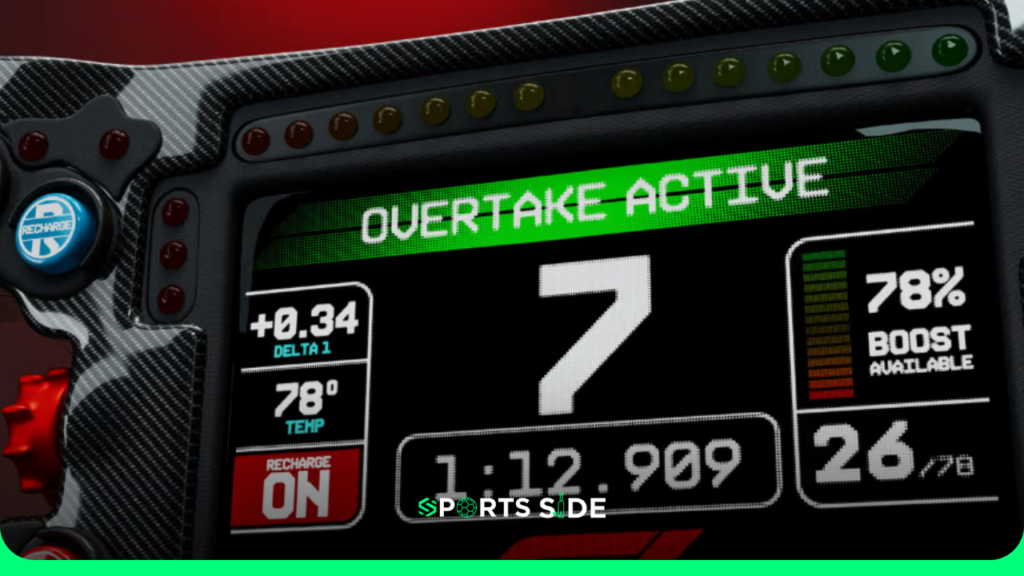
With DRS gone, Overtake Mode and Boost Mode will be introduced. Drivers can use Overtake Mode when they are within one second of the car ahead. They can deploy extra electrical power to pass.
Boost Mode functions as a push button that provides an extra power boost from the hybrid system anywhere on the track for attacking and defending.
Also Read
Cadillac Joins F1
In early 2025, Cadillac got final approval to join the sport. Later in the year, Cadillac announced its driver lineup. Sergio Perez and Valtteri Bottas will partner for the new team.
The addition of Cadillac now makes a total of eleven teams and twenty-two drivers on the grid.
Changes in Qualifying Rules
The addition of two more cars on the grid means the qualifying format also needs revision. Twenty-two cars will start in Q1, and six cars will be eliminated, leaving 16 cars to start in Q2. Six will be eliminated in this round as well. This leaves ten cars for Q3. However, there is no change in the time for the qualifying sessions. The same rules apply to sprint qualifying sessions.
| Q1 | 22 Cars start | 18 minutes |
| Q2 | 16 Cars Start | 15 minutes |
| Q3 | 10 Cars Start | 12 minutes |
Sauber becomes Audi
Cadillac will not be the only new team in 2026. German car manufacturer Audi will also join the pinnacle of motorsport. Unlike Cadillac, Audi will not be a completely new team, as the Swiss team Sauber will be rebranded as Audi. Although there will be new branding and a new name, key staff, including drivers and the team principal, will continue from Sauber.
New Power Unit Providers
For the 2026 season, some teams will continue with their existing power unit suppliers, while others will explore new suppliers. Red Bull has decided to part ways with Honda, ending the partnership with the Japanese company.
From its debut in 2005, Red Bull will, for the first time, use its own in-house manufactured power units. American giant Ford will make a return to F1 after a 23-year hiatus and will provide consultancy to Red Bull in their power unit project. Both Red Bull and Racing Bulls will use the new power unit.
Despite the end of the partnership with Red Bull, Honda will still be in F1 as the Japanese motor vehicle giant enters a partnership with Aston Martin, ending the team’s deal with Mercedes.
Renault will be leaving F1, and Alpine, which was using the Renault power unit, will become a Mercedes customer. As Sauber will be transformed into the Audi F1 team, the German car giant will be using its own power unit, replacing the Ferrari power unit used by Sauber.
| Team | Power Unit |
| Mclaren | Mercedes |
| Mercedes | Mercedes |
| Red Bull * | Red Bull Ford |
| Ferrari | Ferrari |
| Williams | Mercedes |
| Racing Bull * | Red Bull Ford |
| Aston Martin * | Honda |
| Haas | Ferrari |
| Audi * | Audi |
| Alpine * | Mercedes |
| Cadillac | Ferrari |
* Indicates the teams with the new power unit supplier in 2026
Adrian Newey Becomes New Team Principal for Aston Martin
For the 2026 season, there will be leadership changes at Aston Martin as Adrian Newey will take charge as team principal, replacing Andy Cowell, who will now work as Chief Strategy Officer.
Newey left Red Bull in 2024 and joined Aston Martin, starting work as Managing Technical Partner in March 2025. As per the BBC, during that time, conflict over car design and control over team operations started to emerge between Newey and Cowell, which led to the leadership changes at the Silverstone-based outfit.
Changes in the Teams driver lineup
Unlike last year, when there were drastic changes, this year, most teams will continue with the same drivers. However, there are a few changes.
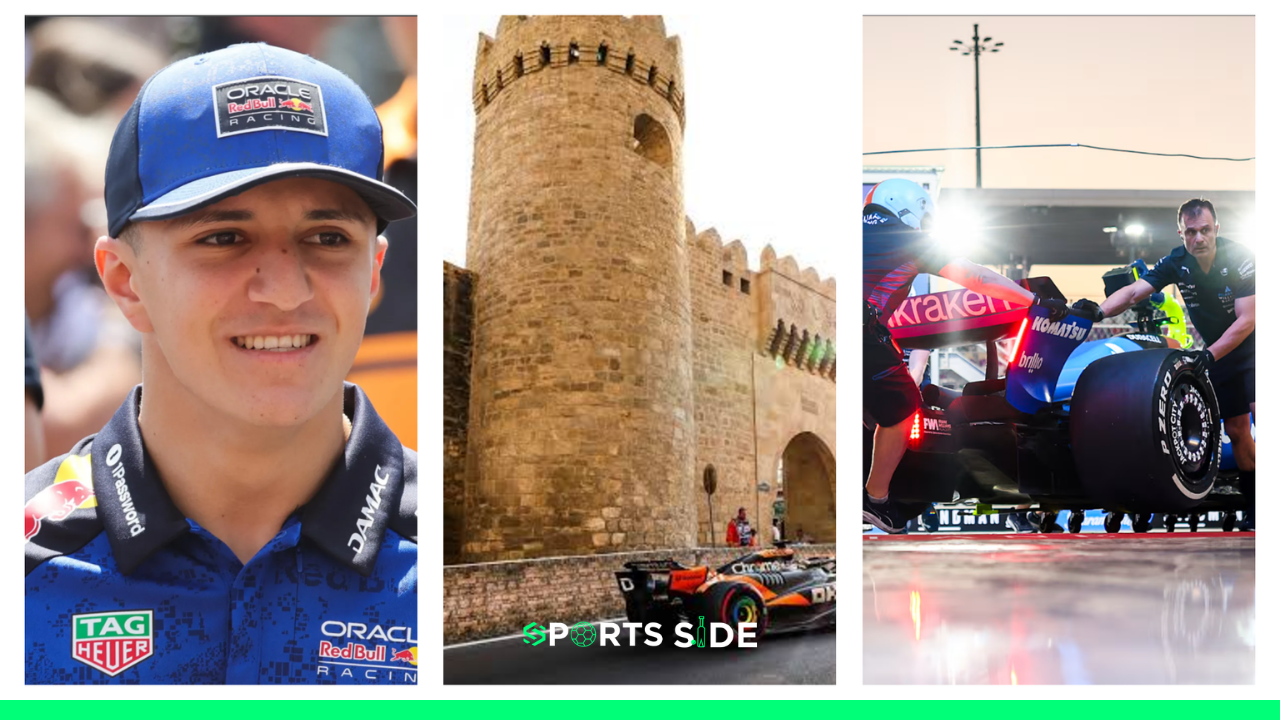
British-Swedish driver Arvid Lindblad will join Liam Lawson at Racing Bulls.
Isack Hadjar will partner Max Verstappen at Red Bull, replacing Yuki Tsunoda. The Frenchman has earned promotion to the main team in his sophomore year.
Madrid replaces Imola
Just like the previous few years, F1 will have 24 races this year as well, but there will be a slight change. Madrid will host this year’s Spanish Grand Prix, replacing the Emilia-Romagna Grand Prix in Imola.
Madrid will be a mixture of public roads and a dedicated race track. The Spanish Grand Prix will be held from 11 to 13 September and will be the last race of the European leg. Barcelona remains on the calendar, but the name will be changed from the Spanish Grand Prix to the Barcelona Catalunya Grand Prix.
Keep Reading
https://thesportsside.com/arvid-lindblad-in-f1-everything-to-know-about-racing-bulls-new-signing/