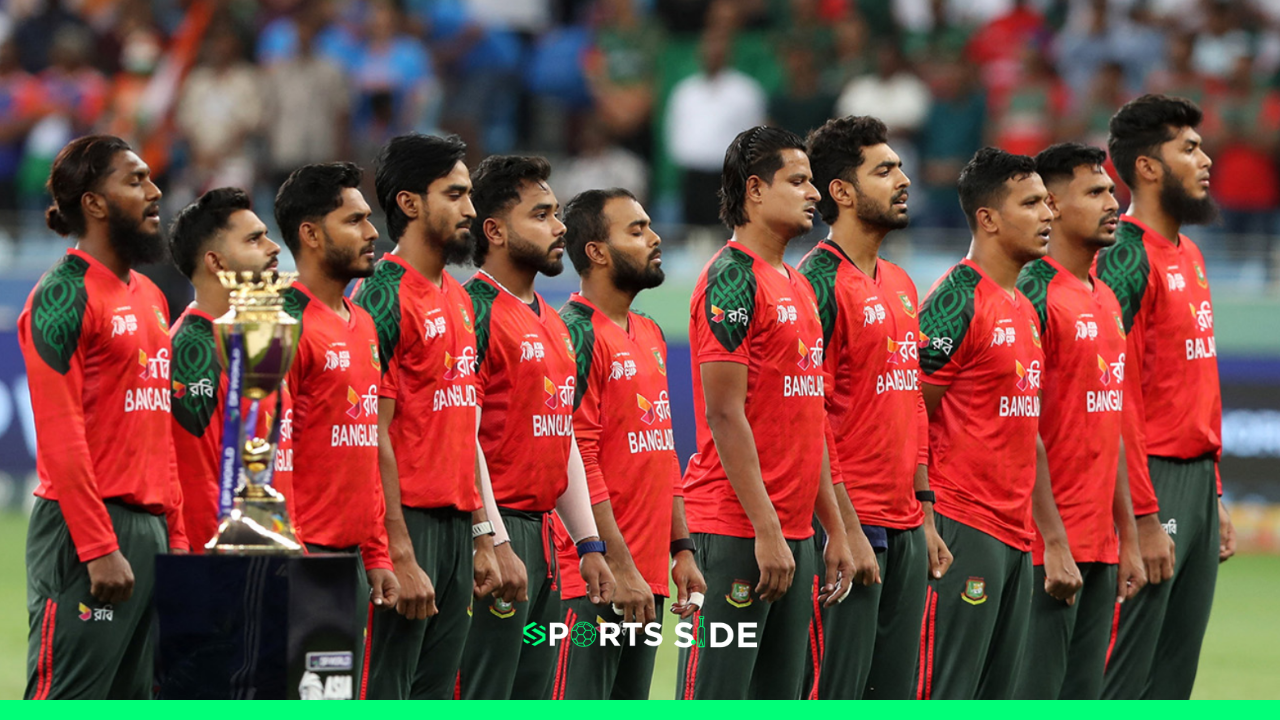
Pakistan’s campaign in the ICC Champions Trophy 2025 concluded in disappointment, particularly as they were the host nation. With high expectations from fans and cricket experts, the team’s early exit has raised significant questions about their performance, strategy, and preparedness for high-pressure matches. Here’s an analysis of what went wrong and what Pakistan needs to do to improve.
Overcoming Psychological Barriers
In competitive cricket, mental fortitude is just as critical as technical skill. Pakistan’s recent performances under pressure indicate a need for a more robust psychological approach. Implementing mental conditioning programs can help players develop techniques to manage stress effectively during critical match moments.
Engaging with sports psychologists to cultivate coping strategies and resilience will be vital. Additionally, conducting simulations of high-pressure games during training can prepare players to perform with clarity and confidence when stakes are high, reducing the occurrence of poor decision-making during pivotal moments.
Reinventing Death Bowling Techniques
Effective death bowling is essential for limiting the opposition’s scoring potential in the closing overs of a match. To address this weakness, Pakistan’s bowlers should undergo targeted training sessions focused on mastering key skills such as yorkers, slower balls, and variations that confuse batsmen.
Analyzing successful death bowlers from around the world can provide insights into strategies and techniques that were effective in high-pressure situations. Regularly reviewing game footage to identify areas for improvement and adapting to the conditions will empower bowlers to execute their plans more convincingly, ultimately leading to improved performance in tight matches.
ALSO READ
- Australia Scripts Historic Chase in Lahore – Inglis Steals the Show
- Afghanistan’s Squad for Champions Trophy 2025: Preview, Strengths & Weaknesses
Developing a Deep Talent Pool
Injury management is crucial for maintaining a competitive edge throughout the tournament. To minimize the impact of player injuries on team performance, Pakistan needs to build a deeper talent pool. Strengthening the domestic circuit and ensuring robust talent identification processes will be crucial for grooming young players.
Implementing mentorship programs where experienced players guide emerging talent can enhance skill development and ensure that replacements are adequately prepared for international challenges. By focusing on a sustainable and comprehensive player development strategy, Pakistan can create a more resilient team capable of performing under varying circumstances.
Adopting Contemporary Strategic Approaches
To remain competitive in the evolving landscape of international cricket, Pakistan must modernize its game strategies. This involves embracing data analytics to inform game plans, player selection, and match tactics. By studying successful teams that effectively utilize contemporary methods, Pakistan can incorporate innovative strategies tailored to their strengths and weaknesses.
Additionally, fostering a culture of adaptability within the coaching staff and players will support the implementation of flexible tactics based on real-time match conditions. This proactive approach to strategy will not only enhance Pakistan’s performance but also ensure they stay relevant in the highly competitive realm of international cricket.
ALSO READ