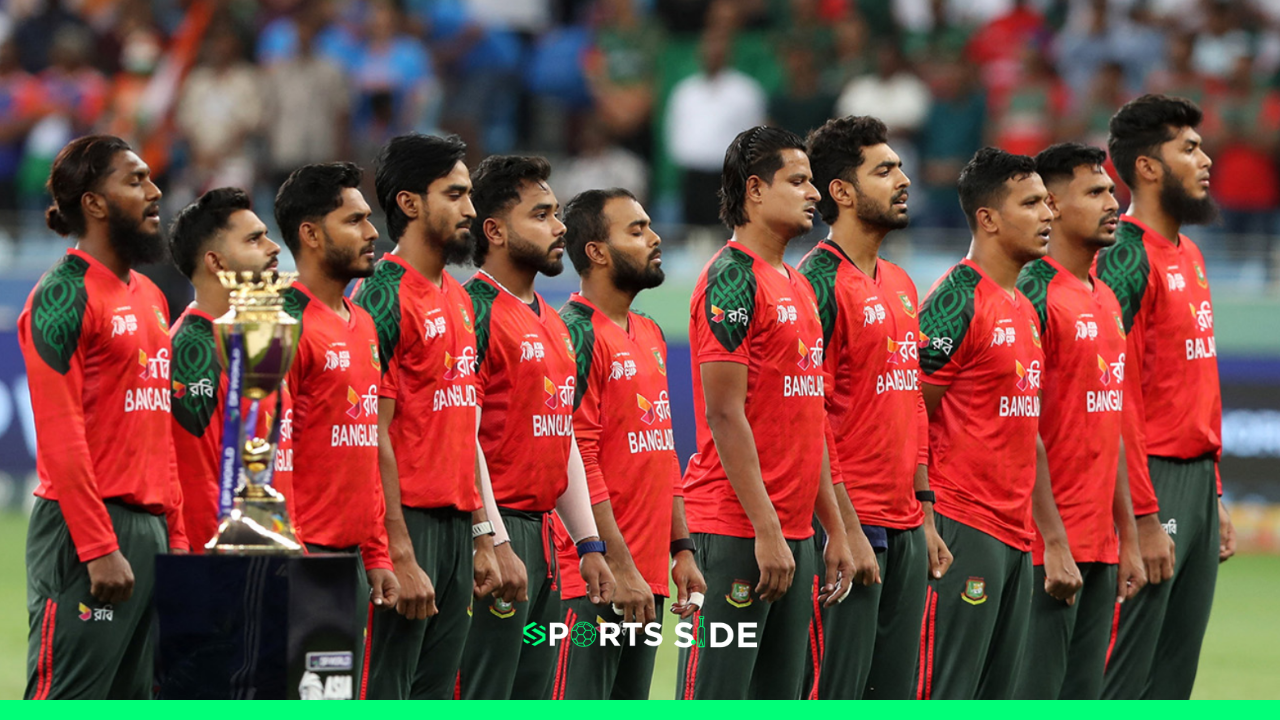
The World Test Championship (WTC), launched by the International Cricket Council (ICC) in 2019, was an ambitious attempt to bring structure and context to the longest and most traditional format of cricket: Test matches.
For decades, Test cricket lacked a clear championship narrative. While bilateral series often delivered riveting contests, there was no broader storyline or competitive thread linking them all. The WTC filled this gap by offering a formal league format and a final to crown a Test champion.
Despite its promise and two completed cycles (2019-2021 and 2021-2023) (now three), the World Test Championship (WTC) has faced widespread criticism over issues such as unequal match distribution, unclear point systems, and the limitations of a one-off final. As the third cycle gets underway, it is imperative that the ICC reevaluates and evolves the World Test Championship (WTC) structure to maintain interest, ensure fairness, and uphold the spirit of Test cricket.
Here’s an in-depth look at how the ICC can improve the World Test Championship (WTC) for players, fans, and the global cricket ecosystem:
Standardize the Number of Matches and Series
One of the major criticisms of the World Test Championship (WTC) is that teams play an unequal number of matches and series. This creates a skewed playing field where some teams accumulate points from more fixtures while others get fewer opportunities.
Solution: ICC should ensure that all participating teams play the same number of series—preferably six (three at home, three away)—and each series should consist of a fixed number of matches (ideally three Tests per series). While logistical challenges are real, especially for smaller boards, a standardized model ensures parity in competition.
Benefit: Creates fairness in the standings and upholds the integrity of the league.
Create a Dedicated Global Test Window
With packed international calendars, franchise leagues, and player workload concerns, World Test Championship (WTC) fixtures often get sandwiched between ODIs, T20Is, and domestic leagues. This hampers preparation and player availability.
Solution: The ICC can designate a specific window every year (or seasonally) exclusively for World Test Championship (WTC) matches, allowing all nations to focus on the format without distractions.
Benefit: Ensures high-quality competition, better marketing buildup, and optimal player performance.
ALSO READ
- Mohsen Gilani meets Global Football Leaders at FIFA Executive Summit 2025 in Miami
- Mohsen Gilani: ‘Together, We Will Rebuild Pakistan Football’
Expand the Final to a Multi-Test Series
The World Test Championship (WTC) Final—currently played as a one-off Test—does not adequately reflect the competitive journey of the two best Test teams over two years. Weather conditions, toss outcomes, and unfamiliar pitches can influence the outcome of a single Test disproportionately.
Solution: Introduce a best-of-three final series, ideally hosted across neutral venues or on a home-and-away basis. If that’s not feasible, a two-Test neutral venue final can be a compromise.
Benefit: Minimizes the impact of variables and rewards consistency and adaptability.
Simplify and Clarify the Points System
The points allocation model in the World Test Championship (WTC) has been modified multiple times. Many fans struggle to understand how teams qualify, especially when series consist of varying numbers of matches.
Solution: Adopt a fixed points-per-match system (e.g., 12 points for a win, 6 for a draw), and use win percentage only as a tiebreaker. Publish regular explanations and data visualizations on ICC platforms.
Benefit: Greater transparency and fan engagement through easier understanding of standings.
Introduce a Tiered System with Promotion/Relegation
Currently, only the top nine Test-playing nations participate in the World Test Championship (WTC). This excludes emerging teams like Afghanistan, Ireland, and Zimbabwe, curbing their exposure and growth.
Solution: Introduce a second division (WTC Division 2) and establish promotion and relegation between the two tiers. Lower-tier teams can play fewer Tests, but still have a competitive platform.
Benefit: Encourages development among emerging nations and adds a new layer of competitiveness.
Rotate Hosting Rights for the Final
The first three World Test Championship (WTC) Finals were both held in England (Southampton, The Oval and The Lords), prompting questions about neutrality and climatic advantages.
Solution: Host the final in different countries across World Test Championship (WTC) cycles—India, Australia, South Africa, Pakistan, UAE etc.—or allow teams to bid for hosting rights, similar to how FIFA and UEFA organize final venues.
Benefit: Distributes exposure globally and adds local fan engagement to the finale.
Improve Branding, Storytelling, and Marketing
Despite being a global championship, the World Test Championship (WTC) lacks the buzz associated with the IPL or even the T20 World Cup. The narrative around Test cricket still feels underdeveloped in digital and media spaces.
Solution: Create a distinct World Test Championship (WTC) brand identity, complete with its own logo, merchandise, theme music, and official digital platforms. Promote compelling storylines, rivalries, stats, and behind-the-scenes content.
Benefit: Elevates Test cricket’s popularity, especially among younger fans and digital natives.
Optimize the Championship Cycle Duration
A two-year championship cycle, while thorough, can sometimes feel too stretched, with gaps that diminish fan interest and momentum.
Solution: Consider reducing the WTC cycle to 18 months. This makes the tournament tighter and helps build anticipation around the final more frequently.
Benefit: Retains competitive momentum and allows for quicker adaptations in format.
Introduce Better Financial Incentives
Test cricket is time-intensive and physically demanding, yet financially less rewarding compared to T20 leagues. Boards often prioritize shorter formats for commercial returns.
Solution: ICC should offer larger prize pools for the WTC. Introduce performance bonuses for individual excellence (e.g., most runs, wickets, catches, etc.) to reward consistency.
Benefit: Retains player interest and justifies board investments in Test cricket.
Leverage Technology and Fan Interaction Tools
Modern sports thrive on data, immersive broadcasts, and fan interactivity. Test cricket has lagged behind in adopting tech-forward innovations.
Solution: Use AI-based tools for live win probabilities, predictive modeling, and advanced statistics. Build an interactive WTC dashboard app where fans can track teams, players, and scenarios.
Benefit: Modernizes the experience for digital audiences and boosts long-term engagement.
Final Thoughts
The World Test Championship (WTC) is a crucial pillar in preserving and evolving Test cricket in the 21st century. However, for it to reach its full potential, the ICC must commit to structural reforms, improved marketing, and deeper fan engagement. By standardizing the format, promoting inclusion, and embracing modern broadcasting and analytics, the WTC can redefine the prestige of Test cricket for generations to come.
Test cricket remains the purest form of the game—but purity doesn’t mean rigidity. With thoughtful innovation, the WTC can continue to honor the traditions of the past while forging a compelling path into the future.
ALSO READ