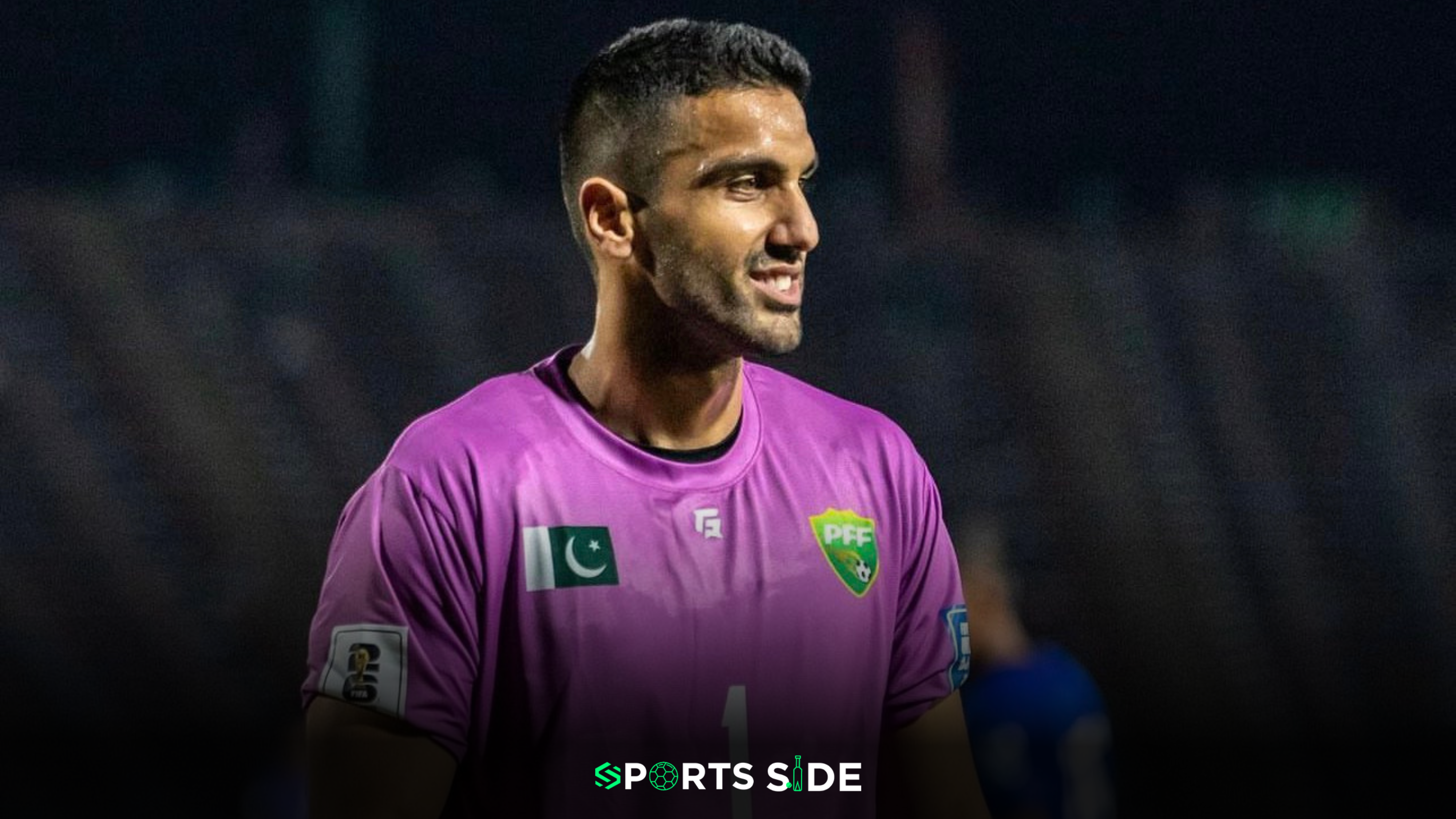
In an exclusive interview with Sports Side, Yousuf Butt, the accomplished Danish-Pakistani footballer, shares his remarkable journey from Copenhagen to Lahore, shedding light on his early influences, challenges faced, and the transformation of Pakistani football.
Discovering Roots and Embracing No.8:
Born in Denmark to Pakistani parents, Yousuf’s childhood was shaped by a unique blend of cultures. Recounting his early years, he shares, “I was born in Denmark, but my parents are Pakistani. My brother and I used to go to school in Pakistan from the age of 5 till 7, where we learned Urdu.” Despite growing up in Copenhagen, Yousuf identifies as a Lahori at heart.
At the tender age of 7, Yousuf’s love affair with football began, inspired by Manchester United’s Nicky Butt. “I used to support Manchester United because they had a player called Nicky Butt. Like him, I also used to wear and play as no.8. So that’s how it all started.” This marked the inception of a remarkable journey in football.
Challenges, Triumphs, and 400 Division Games:
Yousuf’s journey in Danish football has been nothing short of remarkable. However, his path was not without hurdles. Reflecting on challenges faced between ages 7 and 13, he recalls transitioning from an outfield player to a goalkeeper. “I was an outfield player at the time. Being a Butt I enjoyed food and was a bit overweight.” Fate intervened during a trial when the team lacked a goalkeeper, propelling Yousuf into the role that would define his career.
Yousuf’s journey continued to flourish, as by the age of 16 he got into the U19 side, and with the first-choice keepers being injured more often, Yousuf found himself being with the First team at just 16 years of age. His debut in the Danish first division at just the age of 17, marked the beginning of a successful career that has spanned 15 years.
Also Read: Harun Hamid: Pakistan Football’s Beacon – An Exclusive Glimpse into His Journey
Tactical Football Education in Denmark and Pakistan
Yousuf emphasizes the importance of tactical understanding and football education, noting that even on the sidelines, players in Denmark learn valuable lessons. “The football structure of Denmark educates you about Football. Game situations and tactical understandings are very good. Even when you are not playing and are on the benches you are learning by watching different situations; this kind of football education doesn’t exist in Pakistan. These boys only get to know about things when they get into the National team, and that is just too late to learn”
“You can be better than Ronaldo, but if you don’t know anything about tactical formation or tactical football then you can’t compete.”
Pakistan’s Football Quandary: Infrastructure and Departmental Football:
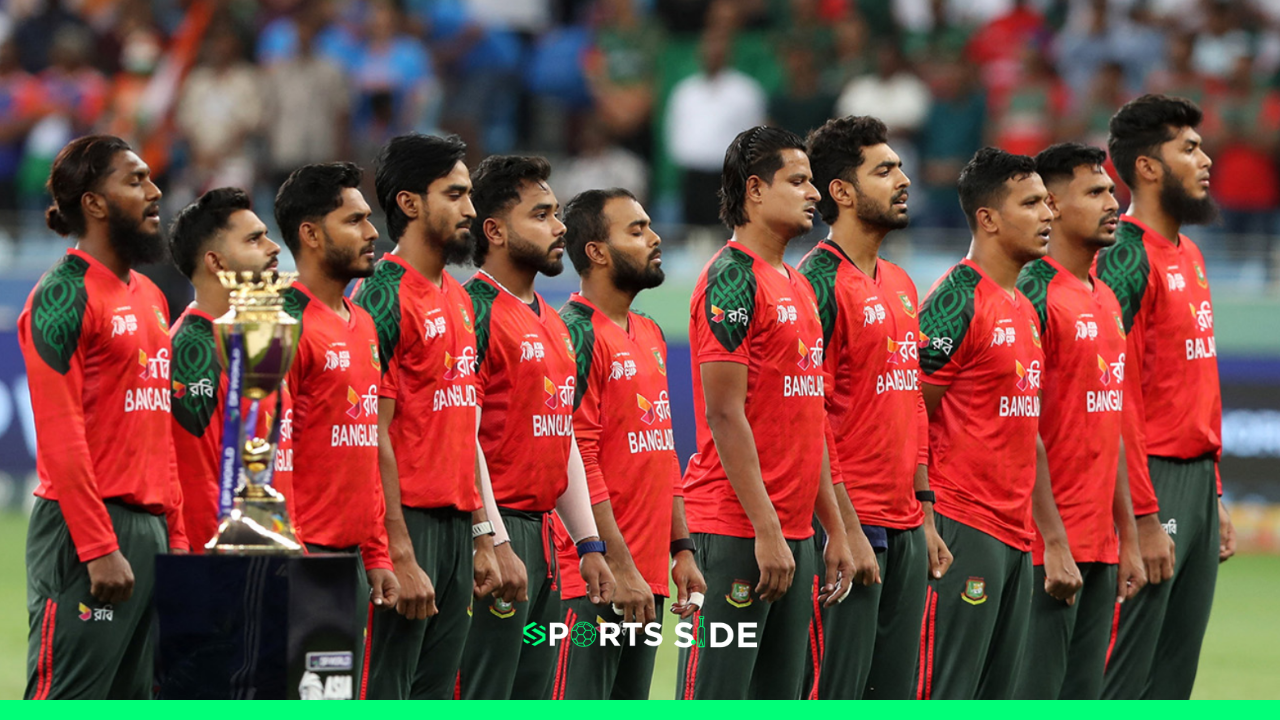
Expressing concern over Pakistan’s football landscape, Yousuf delves into the absence of leagues and talks about the departmental football structure. Comparing the situation to Bangladesh, he laments, “Pakistan should be higher than Bangladesh, we beat their national team, but club-wise, our system, our people, always don’t understand the importance of football.”
“My good friend Jamal Bhuyan, the Bangladesh captain who has played the last 8 to 9 years, has also played in Bangladesh’s leagues. Their league has a proper structure and money, which is why Jamal prefers to play in Bangladesh rather than Denmark as it pays well.” – Yousuf Butt
Advocating for a robust grassroots system, Yousuf stresses the need to fix the youth structure to make a substantial difference in Pakistani football.
Yousuf acknowledges the benefits of departmental leagues as they provide a job and insurance but calls for adherence to FIFA regulations.
Defining Moments: Pakistan’s Triumph over Cambodia
Reflecting on the historic victory against Cambodia at Jinnah Stadium, Yousuf Butt, expressed the profound significance of the win. “It was everything for me,” he revealed, encapsulating the tumultuous journey marked by six coaches and three to four federations. Yousuf played a pivotal role, having accumulated a modest 25 games compared to the 87 national team games of his friend Jamal from the Bangladesh team.
Recalling the challenges faced in the previous encounter with Cambodia, Yousuf shared the profound impact of logistical hurdles, stating, “We had a team, but half of the team couldn’t travel, we had to ask around people if they had a Pakistani passport and should come play for us.” The stark contrast in the recent match underscored a newfound cohesion and support. With a structured approach, a home field advantage on Pakistani soil, and unwavering support from fans, the team underwent a transformative process during the match. The second half witnessed a strategic shift, with the entry of Abdul Samad emerging as a game-changer.
“Abdul Samad came in and held the no.6 position well… Players like Harun Hamid, Rahis Nabi, and Fareed got more space to show their talent. But Abdul coming in is what helped us change the game,” Yousuf explained. The victory against Cambodia symbolized not just a triumph on the field but a testament to the resilience, unity, and potential of Pakistani football.
Regarding the rising star Abdul Samad, Butt acknowledges his versatility, stating, “Abdul has a lot of talent. He is a striker, he is a winger. But I would say he is quite young and still immature in his game. When he plays more with the national team and matures he will do well.” Emphasizing the role of continuous play for maturation, Butt advocates for sustained support from the federation to nurture potential top players.
Diaspora Players: Embracing a Common Identity
Yousuf Butt rejects the term “diaspora,” asserting, “I hate this phrase diaspora. We have Pakistani players who play out of Pakistan. What is the difference? Our heart is Pakistani.” His impassioned stance highlights the unity of purpose and dedication that overseas players bring to the national field. Butt emphasizes that the only difference in the national team is the performance players deliver on the field, irrespective of their birthplace.
The preference for Hassan Bashir, and rising talents like Abdullah Shah & Saddam Hussein
In a candid response about ex-players, Butt unequivocally expresses a preference for Hassan Bashir. While acknowledging coaching decisions, he highlights Hassan’s exceptional record as the all-time top scorer, emphasizing the value experienced players can bring to the team’s dynamics.
Butt shares his insights on emerging talents within the national team. He sees Abdullah Shah as a mature young player with the potential to reach big leagues. On Saddam Hussain, he praises the player’s raw talent in duels, headings, and clearings but acknowledges the need for tactical refinement. Butt advocates for grooming players from a young age to elevate their skills to a top-level standard.
Yousuf Butt’s Pledge to Fans
As we conclude this insightful conversation with Yousuf Butt, his impassioned plea resonates as a rallying cry for the heart of Pakistani football—its fans. With a sincere tone, Butt urges, “Please do support us, give us time, and we will show that we are the best national team Pakistan ever had.” This plea is not just a request for allegiance but a promise from the players who carry the hopes and dreams of a nation.
“Now we have moved to another higher level, we will get defeats, but I guarantee you Asia Cup qualifiers is where we will show our true potential”
Read More: