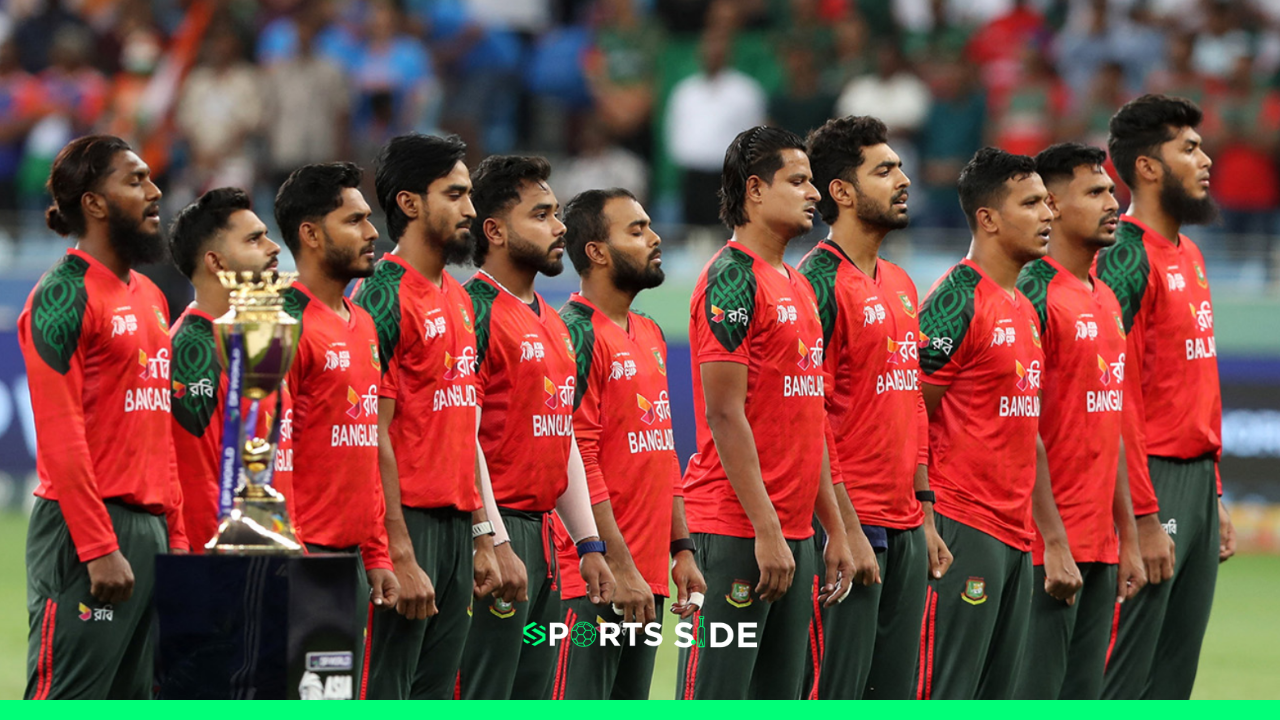
The game of cricket has been played for many years and has developed over time to encompass a variety of formats, including Test cricket, One Day Internationals (ODI), and Twenty20 matches. With the introduction of leagues, the appeal of shorter forms, notably T20s, has increased recently. Cricket enthusiasts and analysts have debated how the shorter formats have affected Test cricket, especially how well players are prepared for Test matches.
Advantages of Short-Form Cricket
Players can benefit from short-form cricket in a variety of ways, especially when it comes to getting ready for Test matches. First off, it gives athletes a chance to compete in intense games under strain that is comparable to that of Test cricket. As a result, they can develop and enhance their abilities, particularly in areas such as shot selection and execution, and they can also strengthen their mental fortitude
Second, players’ ability to perform under pressure in high-pressure scenarios can be usefully tested in the shorter forms, which are frequently played in front of huge crowds. The shorter forms often require a higher level of athleticism and fitness, which might aid players in maintaining their physical fitness levels.
Disadvantages of Short-Form Cricket
The shorter formats do have certain drawbacks, too, and they may affect how players prepare for Test matches. First off, the emphasis on attacking cricket in short-form cricket might cause players to acquire habits and approaches that are inappropriate for Test cricket. This can involve taking more chances with your shots and using the straight bat less frequently, for example.
Second, the shorter forms frequently call for players to play a faster-paced, higher-intensity style of cricket, which can be physically taxing and result in injury. Finally, the conventional abilities and methods necessary for success in Test cricket, such as the capacity for long innings and partnership formation, can frequently be undermined by the shorter formats.
Also Read: Europa League Final: Mourinho’s Roma vs. Sevilla’s Reign – The Battle of Legacies
Impact on Players’ Mental Preparation
Many cricket experts are concerned about how the shorter formats may affect players’ mental preparation for Test matches. T20 matches include big stakes and tremendous pressure, which can cause players to become overly focused on winning rather than on playing well. In particular, in the lengthier format of the game, this can lead to players losing sight of the mechanical and mental qualities necessary to succeed in Test cricket. Additionally, the fast-paced and high-intensity nature of T20s can make players mentally exhausted, which might impair their performance in Test cricket.
Impact on Players’ Physical Preparation
Concern exists about how the shorter formats will affect players’ physical readiness for Test matches. T20s are known for their high-impact and high-intensity play, which may be physically taxing and injurious to participants. This may cause players to miss crucial games, which could harm their ability to prepare for Test cricket. Additionally, the shorter forms frequently demand players to play a more explosive and athletic style of cricket, which can cause players to physically tire and hinder their performance in Test cricket.
Final Thoughts: Examining the Impact of Short-Form Cricket on Test Match Preparation
As a result, the effect of the shorter forms on Test cricket and player development is a complicated matter that needs to be carefully taken into account. On the one hand, the shorter forms offer players chances to hone and sharpen their abilities, both technically and mentally, while on the other hand, they serve as a test of their capacity to perform well under pressure. However, the shorter formats may also result in.
Read More: